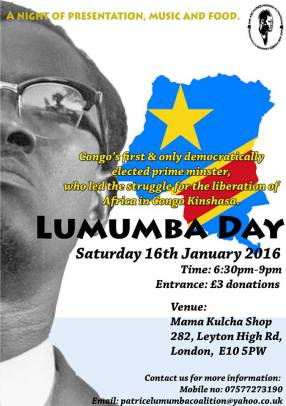
Source: Lumumba day January 16th

The Thing All Women Do That You Don’t Know About
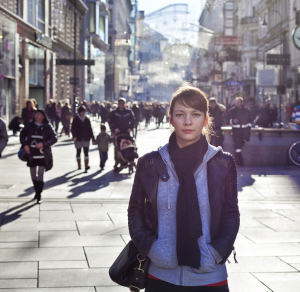
Source: The Thing All Women Do That You Don’t Know About
This is a woman’s point of view that I can relate to. I think every woman can relate to this at some point on their life. Fortunately, it doesn’t happen that often. I believe something similar happens to guys. It exists for sure but not to the same extent since we live on a male dominated world. Just ask your mother, your sister, your daughter if they had gone through this type of experience, they will tell you. I’m sure this type of situations happened at least once to every women on this planet, whether they recognize it or not. I would ask my father, brother, uncle or son if they do this kind of things, cat calling, unwelcome touching, “untasteful” jokes, etc. I think it’s an interesting discussion to have.
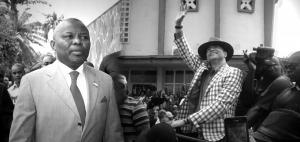

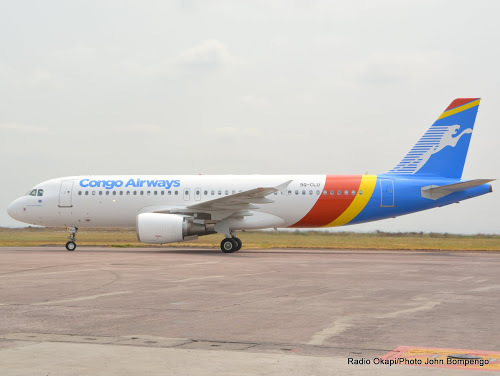
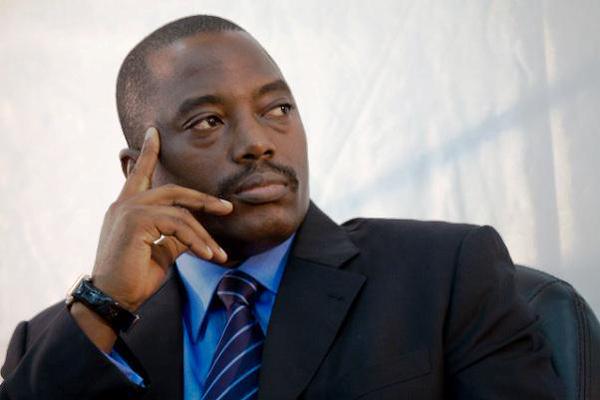
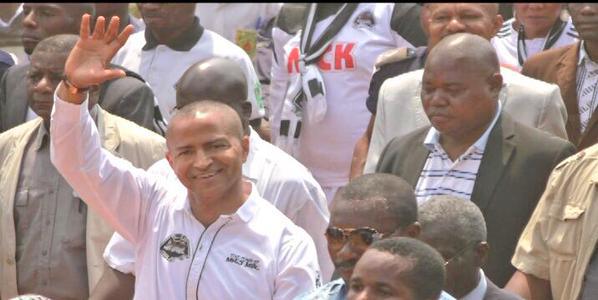
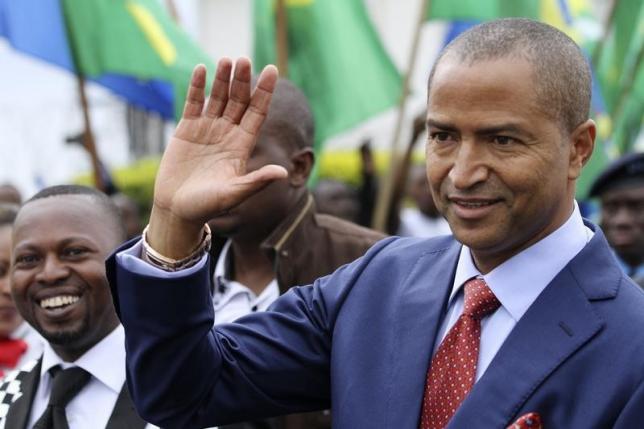
RDC : Denis Mukwege et Martin Kobler condamnent l’interdiction du film « L’Homme qui répare les femmes »

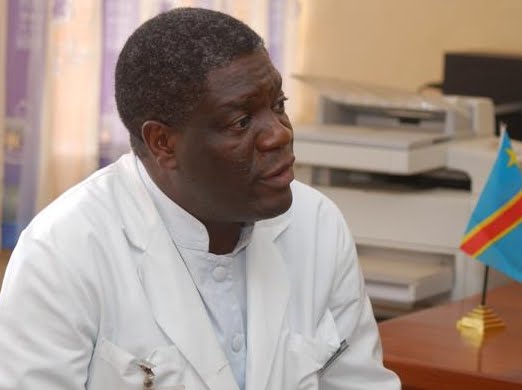
Le Dr Denis Mukwenge, gynécologue de l’hôpital de Panzi (Bukavu) qui soigne les femmes violées, a condamné l’interdiction de diffusion en RDC du film «L’homme qui répare les femmes. La colère d’Hippocrate» de Thierry Michel et Colette Braeckman sur son œuvre. Dans un communiqué publié vendredi 4 septembre, il estime que la censure de ce documentaire « met en évidence la volonté du gouvernement de refuser au
View original post 367 more words
Kinshasa: Les africains sont déçus de Barack Obama, rien fait pour l’ Afrique.
Pourquoi les gens sont-ils surpris? Comme je l’ai dit lors de son élection, il est plus américain qu’autre chose. Il est un pur produit de la haute société de Chicago. Qu’espérez-vous? Il n’est africain qu’à moitié et pas du tout proche de son côté Kenyan. Il est très éloigné du mode de vie, des besoins, espoirs et désirs des Africains. Ses buts n’ont rien avoir avec ceux des africains. On pourrait dire qu’il travaille pour les Américains mais même là on pourrait se poser des questions…
PEOPLE OF THE WATER: THE LIBINZA OF THE ISLANDS OF THE NGIRI RIVER, DEMOCRATIC REPUPLIC OF THE CONGO – Part 1: THE ISLAND VILLAGES.
Beautiful pictures by our friend Jacques Jangoux

(part 2 will be: THE WATER)
Anthropologist Pierre Van Leynseele invited in 1970 to photograph the people he studied, the Libinza, on the islands in the marshlands of the Ngiri River, between the Congo River and the Ubangi River, in the Democratic Republic of the Congo (then called Zaïre). I spent three weeks with the Libinza in October 1970, first visiting various islands, then staying for about 2 weeks at one island in the village Liketa. Each village consists of several islands linked by channels in swamp grassland which surrounds the islands. Many of these islands were artificially made adding soil to raise emerging sand banks. Beyond the grasslands is swamp forest, also reached by channels.The photographs are from various villages and various islands.
Additional infornation at Download liner notes from recordings (see discography below).
 Men of Libinza tribe in canoes with village island in background.
THE VILLAGE
View original post 634 more words
PEOPLE OF THE WATER: THE LIBINZA OF THE ISLANDS OF THE NGIRI RIVER, DEMOCRATIC REPUPLIC OF THE CONGO – Part 2: THE WATER..
Beautiful pictures by our friend Jacques Jangoux
(part 1: THE ISLAND VILLAGES) Although the Libinza live in villages, water is ever present. Transportation is by canoe, subsistence is mostly fishing. Since the earlier age children now that water is their environment.
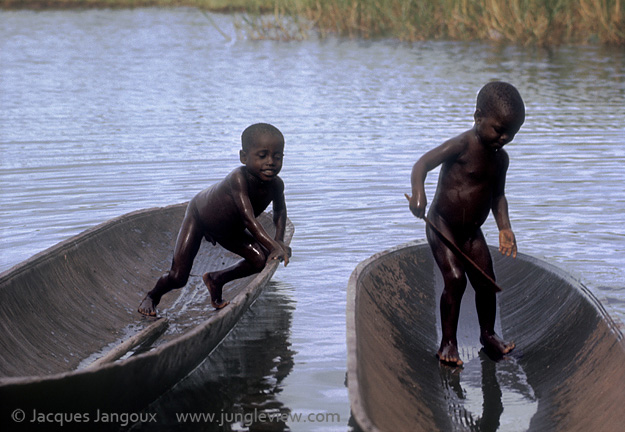 Boys of Libinza tribe playing in canoes. The Libinza live on the islands of the Ngiri River, tributary of the Ubangi River, Democratic Republic of the Congo, Africa.
The grasslands.
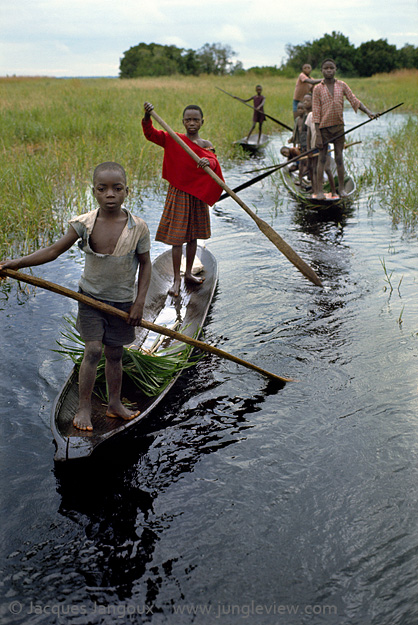 Children of Libinza tribe going to school by canoe.
A vast area of swamp savanna, artificially managed by fire during the dry season, separates the islands from the swamp forest.
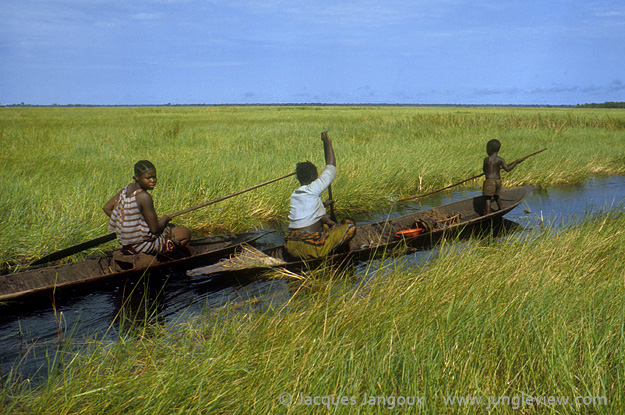 Women in canoe in swamp savanna, going to swamp forest to fish and collect drinking water.
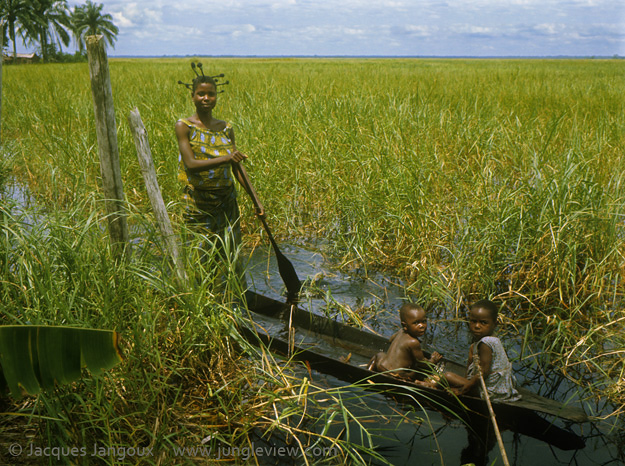 Woman with children in canoe in swamp savanna, going to swamp forest to fish and collect drinking water.
From the swamp grasslands to the swamp forest.
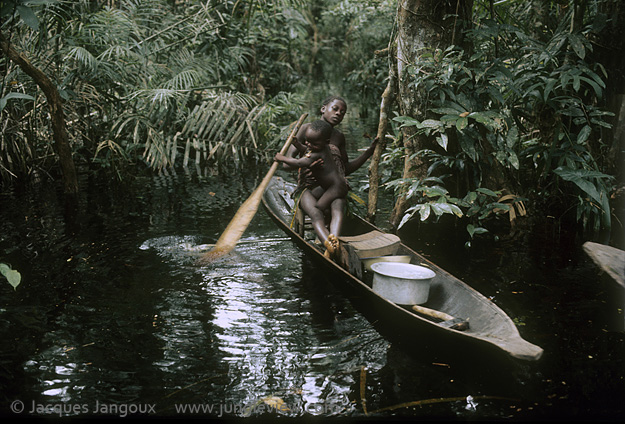 Girl with baby learning to paddle in canoe in swamp forest.
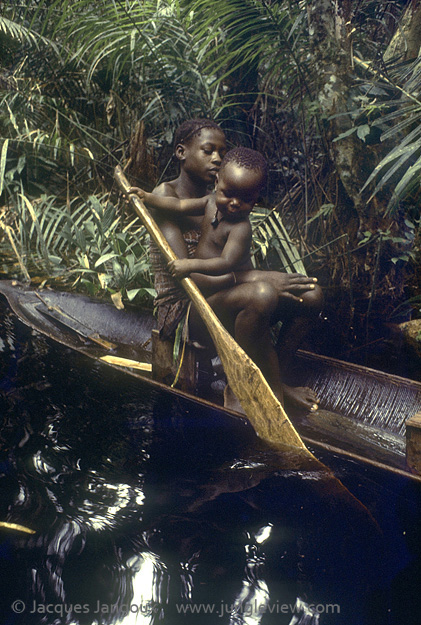 Girl with…
View original post 827 more words
Lingala Lesson 60 – Who did What ? – Nani Asalaki Nini ?

https://twitter.com/LingalaSchool
Lingala Lesson 60 – Who did What ? – Nani Asalaki Nini ?
Nani asukolaki mutuka?
(Who washed the car?)
Ozo sala nini?
(What are you doing?
Nazo sala nini?
What am I doing?
Ozo sala nini?
(What are you doing?
Azo sala nini?
(What is he/she doing?)
Tozo sala nini?
(What are we doing?)
Bozo sala nini?
(What are you doing?)
Bazo sala nini?
(What are they doing?)
Nazali ko zela yo.
(I am waiting for you.)
Nazali ko lamba.
(I am cooking.)
Nazali ko bongama.
(I am getting ready)
Nazali ko sala eloko te.
(I am free.)
(I am not doing anything.)
Nazo ya.
(I am on my way.)
Lisolo = Story
Masolo = Stories
Masolo nini omemeli nga lelo?
(What stories do you bring for me today?)
Masolo eza te. Nayaki kaka ko tala yo.
(No stories. I just came to see you.)
 LUBANATION.COM