Bikila sheebe! / appelle ton père! / call your father! Lwa kunoko! / viens ici! / come here! Ndi muswe kuya ku Paris / je veux aller à Paris / i want to go to Paris Tuye lubilu / allons vite / let’s go quickly Tuye biteketa / allons doucement / let’s go slowly Wakuya / il (elle) est parti / he (she) left Ndi mubi / je me sens mal / i am not well Kolesha mwoyi! courage! Mbeela ngonga / on sonne (à la porte) / the doorbell is ringing Nganyi wetu ? / qui est-ce ? / who is this ? Nweenu banganyi ? / qui êtes-vous? / who are you ? (plural) Mike udiku anyi ? / Mike est-il là ? / is Mike there ? To. Mmupatuka. / non. il est sorti / no. he’s out. Tuyaayi ku mesa / à table / let’s eat! Kazala aaku / bon appétit
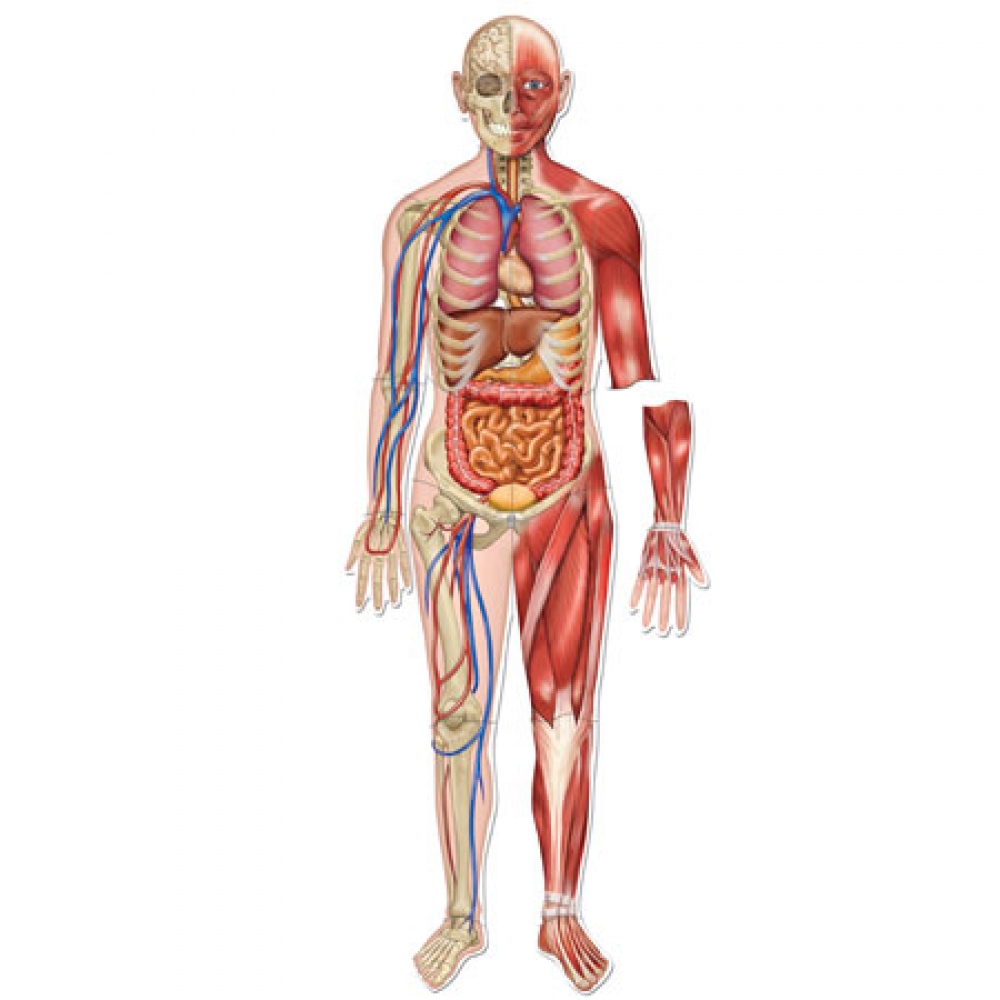
Ndi ne mutu
J’ai mal à la tête I’m having a headache
Badi bapunga mushiku
Ils se mettent d’accord They find an agreement
Udi unkwela nnyima
Il m’a tourné le dos He turned his back on me
Mpesha diboku
Donne-moi la main Give me your hand
Mucima ukuma bikole be
Mon coeur bat très fort My heart is beating hard
Kakwanyi utu anu ukuma dikasa mpadii uja maja
Mon grand-père frappe toujours du pied quand il danse My grand-father is always stomping his foot while dancing
Cyongu (wa minanga)*
janvier / januaryLwîshi*
février / february
Lwabanya (nkasu)*
mars / march
Cisanga (nkasu)*
avril / april
Lumùngùlù*
mai / may
Kabalanshipu*
juin / june
Kashipu (nkenza)*
juillet / juillet
Cimungù (wa mashika)*
aout / august
Kabitenda*
septembre / september
Kaswamansensa*
octobre / october
Kaswàbàngà*
novembre / november
Ciswà munèna*
décembre / december
lumingu
semaine / weekdiimwe
lundi / monday
diibidi
mardi / tuesday
diisatu
mercredi / wednesday
diinayi
jeudi / thursday
diitanu
vendredi / friday
diisambombu
samedi / saturday
dyalumingu
dimanche / sunday
ndekelu wa lumingu
fin de semaine / weekend
*Baluba people traditionally call months by the event happening during the moon. for example Ciswa Munene, December, is the month where the big winged ants are out.
In this post, we’re gonna see how to conjugate in Ciluba. I chose here a few common verbs.
Kwikala
être/to be
Kunwà
boire/to drink
Kudyà
manger/to eat
Kulààla
dormir/to sleep
ndi
je suis
udi
tu es
ùdi
il/elle/on est
kudi
nous sommes
nudi
vous êtes
badi
ils/elles sont
ndi nwà
je bois
udi unwà
tu bois
ùdi unwà
il/elle/on boit
tudi tunwà
nous buvons
nudi nunwà
vous buvez
badi badwà
ils/elles boivent
ndi ndyà
je mange
udi udyà
tu manges
ùdi udyà
il/elle/on mange
tudi tudyà
nous mangeons
nudi nudyà
vous mangez
badi badyà
ils/elles mangent
ndi ndààla
je dors
udi ulààla
tu dors
ùdi ulààla
il/elle/on dort
tudi tulààla
nous dormons
nudi nulààla
vous dormez
badi balààla
ils/elles dorment
I am not gonna show the verb “to have” as it is the same as “to be”. In Ciluba, “to have” is translated as “to be with”, therefore, all you have to do is add the preposition “with” or “nè” in Ciluba to transform “to be”, kwikala, into “to have”, kwikala ne.
Mema ndi mukaji: I am a woman Ndi nè mukanda: I have a book Ndi nè mutu: I have a headache
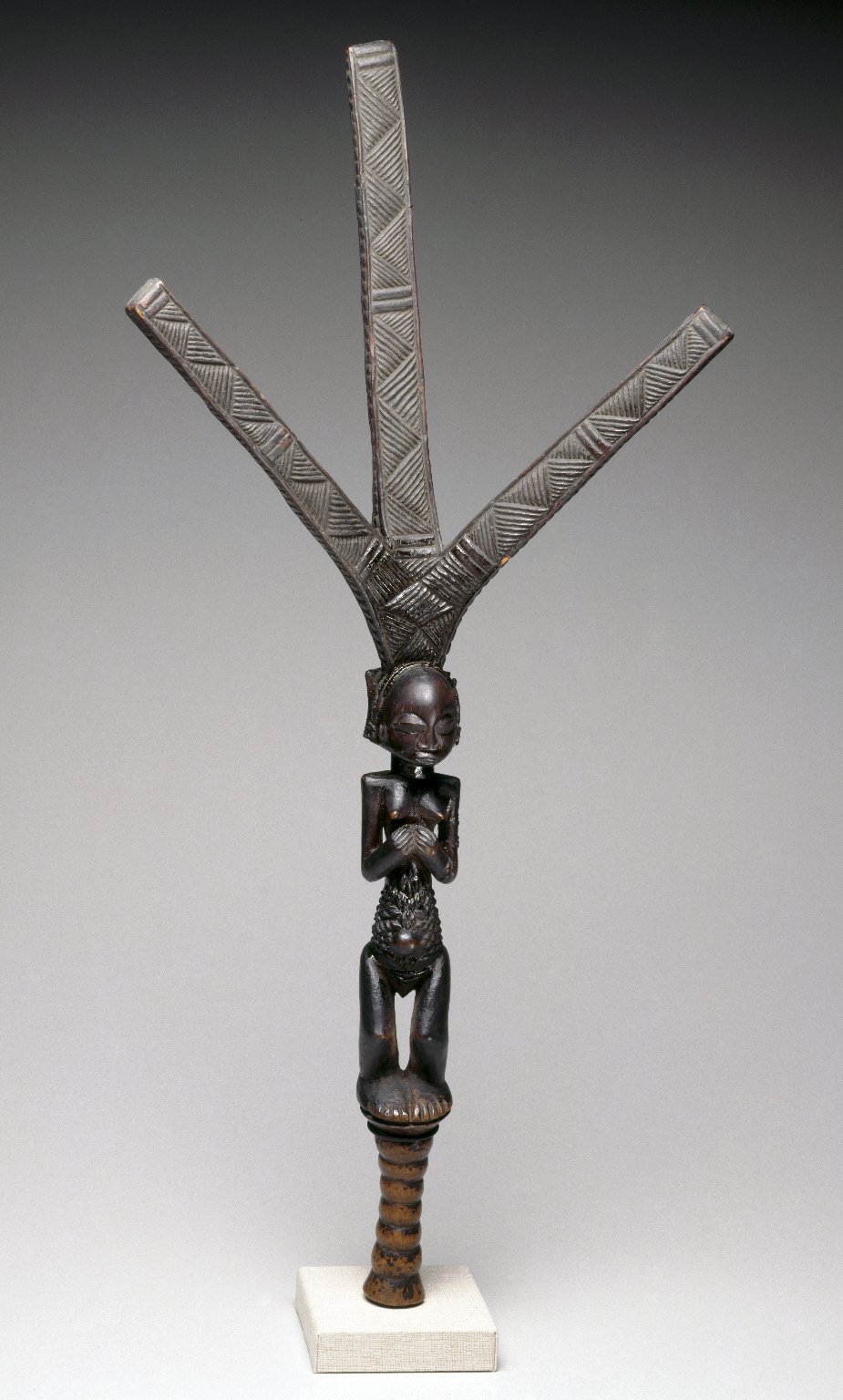
Power Figure Luba
As a general rule, when you have the infinitive form of a verb, for examples kudyà, kunwà, all you have to do to conjugate it is to drop the infinitive prefix ku- and keep the verb stem -dyà, -nwà, then add the personal pronoun according to want you want to say:
n- => ndi = I (am) u- => udi = you (are) u- => ùdi = she/he (is) tu- => tudi = we (are) nu- => nudi = you (are) ba- => badi = they (are)
Of course, it wouldn’t be fun if there wasn’t any exceptions. Kwikala is one (it is a special verb that is also used as auxiliary and its conjugated form is also used as personal pronouns). We’ll check them out as we go. Note that in the dictionaries you will often find the verb stem as the entry. It makes sense, I believe, otherwise there would be thousands of words under “ku-” and nothing in the other sections… 🙂
N.B.: verbs of which stem starts with L transform NL into ND at the first person of singular, to ease pronunciation.
-lààla -> ndi ndààla -> I sleep -lela -> ndi ndela -> I give birth -lekela -> ndi ndekela -> I leave
Here’s a few sample sentences to show how numbers can be used in Ciluba. As I explained in the “Let’s count!” lesson, numbers from 1 to 6, used as numeral, go accordingly with the noun they follow. as such, they reflect the class the noun belongs to. you will see that modification in color in the sentences.
Ndi ne bidimu makumi abidi ne bitanu
J’ai 25 ans I’m 25 years old
Udi muntumine mifuku ibidi ya tshombe
Il m’a envoyé 2 sacs de manioc He sent me 2 bags of manioc (cassava)
Udi mumpesha nigensu inayi ya losa
Il m’a donné 4 casseroles de riz He gave me 4 saucepans of rice
Kabeya mu mpanisha twela tusambombu
Kabeya m’a vendu 6 couteaux Kabeya sold me 6 knives
Ndi musumba bibota bibidi ne dinga ya dimue
J’ai acheté 3 bananes et 1 mangue I bought 3 bananas and 1 mango
Kwata bisaku bibidi bibidi
Prends 2 paniers à la fois Take 2 baskets at a time
Muntu udi ne maboku abidi ne mikolu ibidi
L’être humain a 2 bras et 2 jambes Human beings have 2 arms and 2 legs
Bantu ku bungi buabo badi nkama mwanda muteketa makumi asambombo ne umwe
Il y a, au total, 761 personnes There are 761 people, overall
binunu makumi atanu ne inayi nkama isatu makumi ibidi ne umwe
99.999
binunu makumi citemba ne citemba nkama citemba makumi citemba ne citemba
100.000
cishikula
1.000.000
mbombu (umwà)
2.000.000
mbombu ibidi
10.000.000
mbombu dikumi
100.000.000
mbombu lukama
1.000.000.000
citotu (cimwà)
Note the forms mentioned there for numbers from 1 to 6, are the actual numbers, used as cardinal numeral pronouns or more commonly, nouns but used in a sentence as adverbs or adjectives, they will be modified accordingly to the nouns they follow…
In 1974, the First Seminar of Linguists of Zaire has determined the alphabet as we know it nowadays. Before that, there were as many ways to write Ciluba as there were linguists, even if each system was very similar to the other. Normally, I should use the accents too but that would make it more complicated. Let’s keep it simple for now !!!
Ciluba
French
English
a (court)
dikasa
pied
foot
aa (long)
citaala
coq
rooster
b
lubese
hanche
hip
c (say “tsh”)
cibasu
planche
board
d
dibaka
marriage
wedding
e (short)
cikela
poisson
fish
ee (long)
muteelu
chemise
shirt
f
nkofi
cil
eyelash
g
mufungu
muscle
muscle
i (short)
diyi
oeuf
egg
ii (long)
diitaba
croyance
belief
j
kuja
danser
to dance
k
nkuvu
tortue
turtle
l
lushiku
fin
end
m
mwedi
barbe
beard
n
nkala
crabe
crab
ng
ngonga
cloche, sonnette
bell
o (short)
dikopu
tasse
cup
oo (long)
mukooku
mouton
sheep
p
mupanu
pantalon
pants
s
lusembo
grenouille
frog
sh
kushalala
démanger
to itch
t
twishi
microbes
germs
u (court)
munu
doigt
finger
uu (long)
kutuuta
frapper
to hit
v
mvula
pluie
rain
w (semi-vowel)
mbwa
chien
dog
y (semi-vowel)
kweyela
respirer
to breathe
z
cyanza
main
hand
Combined vowels don’t exist in Ciluba compared to French “ai” (a + i) or “ou” (o + u). Thus, you pronounce each letter as you read and see it. No tricks! Also, q, r and x are only used when using words borrowed from other languages. Ciluba also includes some sounds specific to the language such as nasalizations and aspired letters. We’ll check those out as we go.
Maalu kaayì? (or bìshi, more colloquial)
Comment ça va ? How are you?
Malu mimpà*
Ça va bien Everything’s good
Ndi bimpà*
Je vais bien I’m alright
Kàdi wêwa? / Kàdi neenù?
Et toi? / Et vous? And you?
Mêma pàànyì, ndi bimpà* /Tudi bimpà*
Moi aussi, je vais bien Me too, I’m fine
Mapyà** mapyà** kaayì?
Quoi de neuf? What’s up?
Kakwena bwalu bupyà** bupyà**
Rien de spécial Nothing in particular
Kàdi nushiya. Neetù monangana.
Je vous laisse. au revoir I’m leaving. Good bye.Waya bimpa*
Bon retour Return well
Lààla bimpà*
Bonne nuit Good Night
Neetù monangana malaba
À demain See you tomorrow
Neetù monangana kabidi
À plus tard See you later
Shààla bîmpà*/shààlaayi bîmpà*
Porte-toi/Portez-vous bien Stay well
*In Ciluba, depending on the region the speaker is from, they will say “bimpa” or “bimpe”. This is valid for many words. you will come across this kind of word very often.
** The letter P is aspired when place in front of “i” sound. You need to blow a little of air between your lips as you pronounce it.



 LUBANATION.COM