[Grammar] Stressed and Possessive Pronouns

In Cilubà, one of the few points you need to understand and master, it’s the stressed and possessive pronouns.

We’re already seen the personal pronouns:

Cilubà Français English
n-/nyi je I
u- tu you
ù- il, elle he, she
tu- nous we
nu- vous you
ba- ils, elles they

Here are the corresponding possessive pronouns. They are also used as possessive adjectives:

Cilubà Français English
wanyì mon,  mien my, mine
webà ton, tien your(s)
wendà son, sien his, her(s)
wetù notre, nôtre our(s)
wenù votre, vôtre your(s)
wabù leur their(s)

Exemples: mulongeshi wanyi, Taatu weba, mulunda wenda, etc…

The corresponding stressed pronouns go as follows:

Cilubà Français English
mêma moi me
wêwa toi you
yêya lui, elle he, she
twêtu nous us
nwênu vous you
bôbu eux, elles them

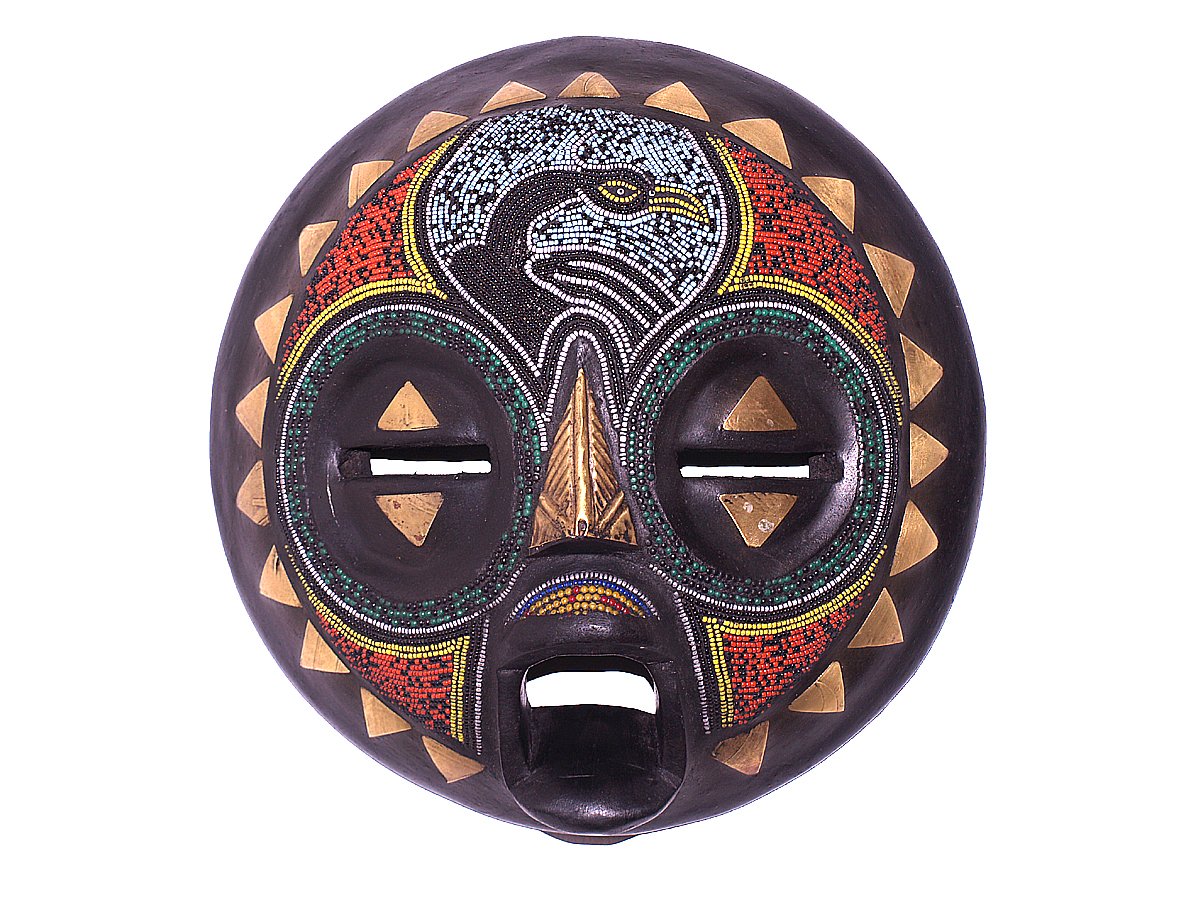
Mask

Why is it important to know them? It’s because they are used in many expressions.

Cilubà Français English
naanyì avec moi with me
neebà avec toi with you
nendà avec lui, elle with him, her
neetù avec nous with us
neenù avec vous with you
naabù avec eux, elles with them
Cilubà Français English
bwànyì pour moi for me
bwèbà pour toi for you
bwèndà pour lui, elle for him, her
bwètù pour nous for us
bwènù pour vous for you
bwàbù pour eux, elles for them

You can even mix them:

Cilubà Français English
mêma pàànyì moi aussi me too
wêba pèèbà toi aussi you too
yêya pèndà lui, elle aussi him, her too
twêtu pèètù nous aussi us too
nwênu pèènù vous aussi you too
bôbu pààbù eux, elles aussi them too
Cilubà Français English
(mêma) nkàyaanyì moi seul(e) on my own
(wêwa) nkàyeebà toi seul(e) on your own
(yêya) nkàyendà lui, elle seul(e) on his, her own
(twêtu) nkàyeetù nous seul(e)s on our own
(nwênu) nkàyeenù vous seul(e)s on your own
(bôbu) nkàyaabù ils, elles seul(e)s on their own

Used prefixes:

WÀ- = de / belonging to
NE- = avec / with
BWÀ- = pour / for
PÀ- = aussi / too
NKÀÀYÀ- = seul / only or alone

Exemple: mêma pàànyì ndi mvwa nzala / moi aussi j’ai faim / I’m hungry too

Note that these are only the pronouns regarding people. There are also a whole range of pronouns that are used for objects. The subject is vast enough to post several articles about it. So keep coming back for more Cilubà classes…
[Grammar] Reversive forms

-ul-, -un-, -uk-

The verb formed with the radical plus the above suffixes indicates an opposite action to the one described with the initial verb. There exist two forms of reversive suffixes: active and passive.

Reversive active suffixes: -ul-, -un-

Verbs thus formed are transitive. They need an object.

Examples:

  • kukànga (fermer, to close) → kukangula (ouvrir, to open)
  • kuvwàla (vêtir, to put clothes on) → kuvùùla (dévêtir, to put clothes off)
  • kulamika (coller, attacher, to glue, to attach) → kulamuna (détacher, to detach)

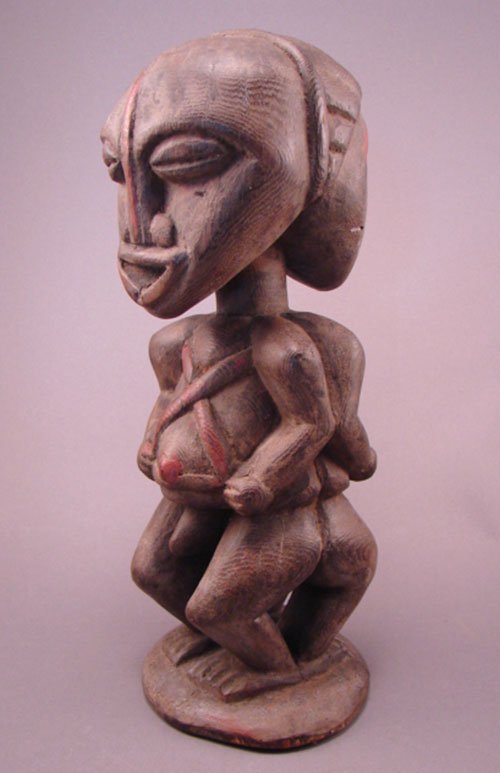
janiformstatue

Reversive passive suffix : -uk-

Verbs including this suffix are intransitive and imply a state or a condition in which the subject sustains an opposite action.

Examples:

  • kukanga (fermer, to close) → kukanguka (s’ouvrir, to be opened)
  • kubutula (exterminer, exterminate) → kubutuka (se faire exterminer , to be exterminated)
  • kupapula (effrayer, to frighten) → kupapuka (s’effrayer, to be frightened)
  • kwambula (porter, to lift up) → kwambuka (se faire porter, to be lifted)

Source: CRIC

[Poetry] Bapuwa wetù

Poem that Geneviève Bapuwa wrote as a funeral oration to her late husband.

Bapuwa Mwamba Kadiayi,
Bapuwa wa Tshimanga ne Mutombo
Mulela wa Kamwanya Tshiombo wa Lenga,
Kamwanya mukwa Nsumpi Tshibala wa ku Muuya.

Akaa!! Bapuwa wetu,
Tshikulumpe cya mubidi nzaka nyima dyobo,
Tshilobu cyanyi telejaku kanyi kaboobo,
Ndi nkubikila, mwena mutumba wanyi,
Lwaku tuya kwenu hambelu mu Kazaadi

Wewa udi mwena Mpuka,
Mpuka citonta muledi wa bakalenga
Kulela citokatooka e kulela ni nseki mwabi,
Mwena Tshilunda wa ku bintunta,
Tshilunda wa Muuya wa Lukusa.

Bapuwa wanyi wa ku bintunta,
Udi wa kudi dibwe kadyendi,
Kwenu nkudi dibwe didi dyambule dibwe naadi,
Kadi balumiana, dyendenda dibwe bantu kufwa.

Katuya kwenu wa nsamba ibidi, mwena Mulanga,
Bapuwa mulela wa Tshibangu, wa Bandubwila, wa Mbuyi, wa Mbombo,
Tshilobo wa ku ba mowa maayi,
Wa beeleela mwena Mulanga.

Wewa ki mpanga wa manangananga,
Muluma wa kunangamana ha kwenda,
Mukaba wa ngomba ngole,
Tshilamba wa kuvwala dya lwendu.

Kadiayi cya malunda mangi malongu makesa,
Mwamba mulengele kumona, mwena mpala wa matengu,
Mwamba baya’a Kembia Mukwa Tshibuyi,
Diina diwunsaamunasamunwina,
Wewa ki bayanyi wa mu kabandu.

Baya’a Kembia Mukwanga Mukwa Tshimuna,
Mukwanga wa Ndeka wa mu Kabyula
Wa ku mu Mukaba Kwa Mpumbua Kazadi Wa kufwila mutooka ne muntuwa kaaji
Wa ku biitshikila biapaanga babooyi
Mushaala musoomba ne binsonji kwyisu

Juka hanshi Mwamba Kadiayi,
Wenda mwendenda Ntambwe,
Unkwata ku diboko undeja mwa kwenda mazengu,
Lwendu lwendenda ba-nkole neebe.

Appuie-tête luba (détail) (XIXè s.)

Bapuwa wetu, Mwanba wetu,
Muvwala nzambala leelu uyaya ku lwendu kayi?
Mwana’a Tshimanga kacya wanshiya ne kabidi kabomba,
Ntunga’a mulongu wanyi,
Udimunshiya ne kanyinganyinga ku moyo.

Kadi baana beebe washiyi mwaba kayi,
Baana mbalengela ne tatwabo,
Mukaji mmulengela ne bayenda,
Ku udi muya kakwena mukanda,
Wamfundilako bwa meeme kuleeja baana?

Bapuwa, diiba dyabwedi,
Mikenji udi mupeesha nganyi,
Idi kayiyi myanji kukika?
Ndi mutangila ku njila bintonda,
Kadi wewe ne upingana diiba kayi?

Nkole wanyi wa Mukwa Tshibuyi,
Meema weba cyena mumanya lufu lweba,
Kadi walaala abidi kubweji disaatu,
Tangila kudi lufu lweba lufuma,
Tshikudiila wamonanangana naatshi.

Taatu cyena ne tshi kukupa
Tangila kunu nkupa meena
Mwadya mvita mwena bantu
Wewa wa beena ngenyi ne beena meeji
Nyoka kafu diisu
Nansha yeeya munkatshi mwa meeba

Bapuwa Mwamba Kadiayi,
Meema weba ngashaadi ne binsonji,
Ntshiyi nansha wa kubinkupula,
Kakwena bwalu mwana’a taatu mwena Mulanga
Waya bilenga, twadya kumonangana munanga wanyi.

Geneviève Bapuwa Kembia – Mai 2007

[Lyrics Translation] “Cicatrice d’amour” by Tshala Muana

This is a very famous heartbreak song by the one and only Tshala Muana. It is very appreciated by her fans. Enjoy!

Title: Cicatrice d’amour (Love Scar)
Artist: Tshala Muana
Year:1985

Vùluka dilòòlò e
Ndi waka benga
Ngela cyanza ne kukwata
Wewe nyi nyaya kwetu
Bwà kupingana musela baabà 2x

Mêma kusengelela ee
Ooo too ne mundinda,
Kuula cibangu cyà bushùwà,
Kunduupa kulusa munène
Cyanàànà nyà kundiowa. 2x

Cyena kupwa moyo cibangu cyà mukàwu
Cindi ci mushingu cyà menu waka suma ee X4

1985_tm_kami

Vùluka dilòòlò
Rappelle-toi ce soir
Remember that night
Ndi waka benga
Où tu m’as répudié
When you threw me away
Ngela cyanza ne kukwata
J’ai tendu la main pour te retenir
I reached out my hand to grab you
Wewe nyi nyaya kwetu
Toi tu as dit de rentrer chez nous
You told me to go home
Bwà kupingana musela baabà
Que pour je revienne il faudrait que j’épouse ta mère
That for me to come back, I would have to marry your mother

Mêma kusengelela
Moi je t’ai supplié
I begged you
Too ne mundinda
Jusqu’au petit matin
Until the early morning
Kuula cibangu cyà bushùwà
Du plus profond de mon coeur
From the bottom of my heart
Kunduupa kulusa munène
Tu m’as donné une grosse croix à porter
You gave me a big cross to bear
Cyanàànà nyà kundiowa
Je vais me tuer pour rien
I will kill myself for nothing

Cyena kupwa moyo cibangu cyà mukàwu
Je n’oublie pas la cicatrice de la jalousie
I can’t forget the scar of jealousy
Cindi ci mushingu cyà menu waka suma
Dûe à ta morsure
Due to your bite

“Rappa Mwela Manyi” by Ced Koncept

Nice rap piece in Ciluba featuring mutwashi and krump.

Title: Rappa Mwela Manyi
Artist: Ced Koncept
Year: 2010

rappamwelamanyi_cedkoncept

Akaaa kikudi wanyi, walu ku ba shebaya anyi ntshini
Spilulu wêwa

Mbikila nkumba ka kuyi muntu wa kwela mpata naanyi
Ndi dwa ni rappa wanyi rappa mwela mwela manyi
Mêma ditumba nansha diela mu ditumba
Ni udi umvwa nansha mema mu nkumba’s
Bikila ntumba aya kasumba mala
Bwa tu kwatshika
Tooo ni mujinda’s
Pa twa bika ceinture tu tuswika
Muhanu anu mu cyadi ela musambu tu banga cadence
Nanganga kwetu ku Kananga, Mbuji-Mayi, ngandanjika
Ni mwina mu katanga’s

Rappa wanyi rappa, rappa mwela manyi x3
Rappa wanyi rappa mwela manyi

Mbikila mfumu mu rap mulongu umwa kunnyima kwanyi
Ngambila mba tuta mushindu kaayi ?
Ewa rappa ki mudimu wanyi
Wanyi mining moma’s enza attention
Kabuluka kafwa kambila
We muswa bulaku’s ngambila’s
Abi too umwa rappa marteau
Ni danse wenda banda pa moto
Umbota maja ressort mu cimonu
Ambula mwana la musique de chez nous

Rappa wanyi rappa, rappa mwela manyi x3
Rappa wanyi rappa mwela manyi

… banda pa moto

[Conjugation] Futur Tense I

In this lesson, we will study future tense. For that, we’ll use some verbs that we’ve seen before:

Kwikale
être/to be
Kunwà
boire/to drink
Kudyà
manger/to eat
Kulààla
dormir/to sleep
nengikale
je serai
I will eat
newikale
tu seras
you will be
neìkale
il/elle/on sera
she/he will be
netwikale
nous serons
We will be
nenwikale
vous serez
you will be
nebikale
ils/elles seront
they will be
nenwè
je boirai
I will drink
newunwè
tu boiras
you will drink
neànwè
il/elle/on boira
she/he will drink
netunwè
nous boirons
we will drink
nenunwè
vous boirez
you will drink
nebanwè
ils/elles boiront
they will drink
nendyè
je mangerai
I will eat
newudyè
tu mangeras
you will eat
neàdyè
il/elle/on mangera
She/he will eat
netudyè
nous mangerons
nous will eat
nenudyè
vous mangerez
you will eat
nebadyè
ils/elles mangeront
they will eat
nendalè
je dormirai
I will sleep
newulalè
tu dormiras
you will sleep
neàlalè
il/elle/on dormira
She/he will sleep
netulalè
nous dormirons
we will sleep
nenulalè
vous dormirez
you will sleep
nebalalè
ils/elles dormiront
they will sleep
Masque Luba Cifwebe
Masque Luba Cifwebe

See how the verb is built:

KU – IKALE = kwikale

‘KU’ marks the infinitive form of the verb and ‘IKALE’ is the verb stem. When you contract them, the ‘u’ transform into ‘w’.

* NE + NG + IKALE = nengikale

NE marks the future tense of the verb, ‘NG’ is the 1st person pronoun and ‘IKALE’ is the verb stem

It is the same process for the rest

* NE + WU + IKALE = newikale

The ‘u’ in ‘wu’ is dropped because of the contraction.

* NE + À = IKALE = neìkale

Same contraction here but we keep the accent that marks the 3rd person of singular.

* NE + TU + IKALE = netwikale

* NE + NU + IKALE = nenwikale

* NE + BA + IKALE = nebikale

You note in red the pronouns from 1st person of singular to 3rd person of plural that we saw in previous lessons:

ng, wu, ù/à, tu, nu, ba (‘ng’ is another form for ‘nyi’ or ‘n’ that marks the first person of singular).

See, if you understand how the verb is constructed you can easily find and/or remember a specific conjugation. Try to find the construction of the other verbs on your own. You’ll see how easy it is.

Part II | Part III

[Grammar] Nominal Prefix bu-

When bu- is used as a nominal prefix, it introduces an action, a technique, a habit, a concept, etc.

Le préfixe nominal bu- introduit une action, une technique, une habitude, un concept, etc.

Masque Luba en bois
Masque Luba en bois

Example:

*madimi (champ/field) -> budimi (agriculture, by extension, ‘budimi’ also means field)
*-pole (tranquille, calme) -> bupole (paix/peace)
*umwe (un/one) -> bumwe (unité/unity)
*muluba (homme luba) -> Buluba (vaste ensemble comprenant : la terre, la langue, la culture, la coutume, la tradition, la société, l’identité, la fierté, le fait d’appartenir à l’ethnie Luba/ensemble including: the land, the language, the culture, the habits, the traditions, the society, the identity, the pride, the fact of belonging to the Baluba people)
*dinyùnguluka (contour) -> bunyùngùlùka (environnement)
*madììkadidi (liberté/freedom) -> budììkadidi (indépendance)
*mulùma (homme/man) -> bulùma (virilité/virility)
*mukàji (femme/woman) -> bukàji (féminité/feminity)
*mubèèdì (un malade/patient) -> bubèèdi (maladie/disease)
*mupika (esclave/slave) -> bupika (esclavage/slavery)
*muzòdi (dessinateur, peintre/painter) -> buzòdi (peinture, dessin/painting)