Title: Twimbe
Artist: Benjamin Mulumba
Album: Midi
Year: 2012

Title: Twimbe
Artist: Benjamin Mulumba
Album: Midi
Year: 2012
nice piece difficult to resist.
Title: Mpwekelela ft. Ced Koncept & Caseiro
Artist: G’Sparks
Year: 2010
Lyrics: Cedrick Kikudi & Frank Caseiro
Music: G’Sparks

Kalùmyànà mpwekelela
Anu bu ninja sempela
Ionda dikasa
Ngalu ni danse mupyamupya
Mambo ina waka
Ced ana tomboka sasa
Droite, gauche, droita
Nwacooki kwela mpata anyi?
Shikiya nsonshi
Umbusha nkwasa
Cyalu cidyunda
Mêma neebà to ni panshì
Kalùmyànà mpwekelela (shuka)
Mpwekelela
Kalùmyànà mpwekelela
Ki diba ubaleja que aka est là
Lekela fier bikila balunda semenayi
Bonsu tuyayi ee
Mu cyalu tujayi ee
Sangalayi 1, 2 feinte twayi ee
Kiviringo she bote mu kiviringo
Kiviringo she bote mu kiviringo
Kalùmyànà mpwekelela (shuka)
Mpwekelela
Blaza tu discuss
Flow na zi dispatch
Mentor ni G’Sparks
1, 2, 3 Go
Leo ni furaha
Tshezeni wote c’est comme ça
Akaaa atuna uruma
Uripenda ku duma
Vumilia ku luma
Kalùmyànà sempelela
Kalùmyànà mpwekelela lembelela
Kadi sempelela’s
Kalùmyànà mpwekelela (shuka)
Mpwekelela
Eelayi byanza muulu
Kwatayi bintu bwènù…
Kalùmyànà mpwekelela (shuka)
Mpwekelela
José, an italo-belgian guy, speaking the 4 national languages of Congo. I think he beats almost everyone. Generally, strangers learn Lingala or Swahili depending on where they evolve but here he speaks all four. I have to admit, I’m impressed! Keep it up!
Citùpà cyà kumpàla
Citùpà cibîdi:
Citùpà cisâtu:
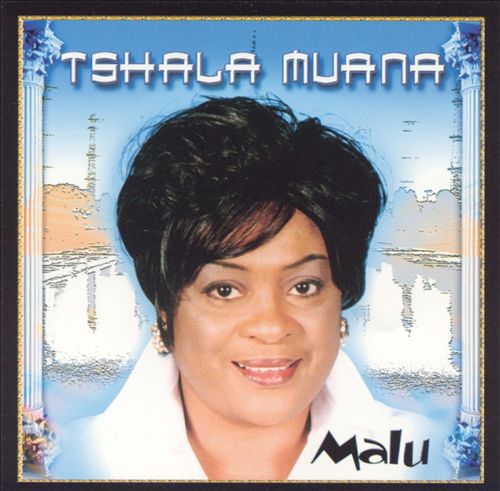
Here’s a smooth piece by Tshala Muana. In this song, the message is a little more profound than a simple love story. The woman tries to comfort her husband who has a hard time. Basically, she says “don’t give up, soon everything will be better”. The audio is not top quality so there are some words that we couldn’t clearly get and went with the closest meaning possible. As always, don’t hesitate to provide corrections or translation ideas. Hope you’ll enjoy this!
(Kànkamana mwena kwanyì,
Mutu tudie emu kumutwikale,
Bidimu bitu byà kukùdimuka.
Kabiela nu bwîlà
Mulopo mu mpangà bantu.)
Kànkamana wa taatù, cikondu cilwàlwa tutambe kusànka byètù,
Mwibile eee Kànkamana mwena kwanyì eee
Kànkamana mwena kwanyì, cikondu cilwàlwa tutambe kusànka byètù,
Pa buloba eee Kànkamana mwena kwanyì eee
Mulùme wakanda undi musele, ucidi kwàbù,
Kulonga kalasa wa kujikija mukanda,
Udi anu ukèba mudimu wa kwètù,
Tudi pembe basombe kuzubu kwà baledi.
X
Cilunga mulwesu, cikombola cikwanga
Baswa kulwata, tulwata anu momumwa,
Cyètù canza colola anu wa kulomba yo yo yo.
Mulùme wakanda undi musele, ucidi kwàbù,
Kulonga kalasa wa kujikija mukanda,
Udi anu ukèba mudimu wa kwètù,
Tudi pembe basombe kuzubu kwa baledi.
X
Cilunga mulwesu, cikombola cikwanga
Baswa kulwata, tulwata anu momumwa,
Cyètù canza colola anu wa kulonda yo yo yo.
Mucìma muku nanga mwena kwanyì
Bayanyì dinanga dya bamoyo wanyì
Shabana, kunangindi bibi lelu
Bwalu bilengele bicilwàlwa
Mukaji wa badiadia badiadia
Wa kafwisha bayende mwitu eee
(Claude Mashala)
Mu civwa muku nanga mwena kwanyì
Bayanyì dinanga dyà bamoyo wanyì
Shàbana, kunangindi bibi lelu
Bwalu bilengele bicilwalwa
Mukaji wa badiadia badiadia
Wa kufwisha bayende mwitu eee
(Kabuta kaka, bakulumpe bakamba ne
“Kunangindi byà kubwala bwala ishibuta
usànke bwalu cyèbè cidimu”.)
Sànka ukole mu mikolu, bwà kukèba mudimu,
Nansha makenga, nansha mabika ni malu eee
Ndi anu muku nangà.
Mpadi munanga mushia mu mpanga telejayi,
Babikila wa mikusu mwena nsonsu witabè,
Babela wa muntu wà mutu wà teleja die (bie?),
Babikila mukamba wà katamuka biebè.
Mpa buloba mpa makenga eee
Kwà nganyì wètù kutwaya eee
Kudi kakuyi makenga eee
Bwà kudia ka kwena… ?
(Kànkamana mwena kwanyì,
Accroches-toi mon coeur
Mutu tudie emu kumutuikale,
Nous resterons toujours ensemble
Bidimi bitu bia kukudimuka kabiela nu bwîlà
Les années se suivent et ne se ressemblent pas
Mulopo mu mpangà bantu.)
Seul Dieu sait le temps que nous avons à vivre
Kànkamana wa tatu, cikondu cilwàlwa ne tutàmbe kusànka byètù,
Accroches-toi mon frère, seul Dieu décide du temps que nous avons ici-bas
Mwibile eee Kànkamana mwena kwanyì eee
Accroches-toi mon coeur
Kànkamana mwena kwanyì, cikondu cilwàlwa ne tutàmbe kusànka byètù,
Accroches-toi mon coeur, un jour nous serons heureux nous aussi
Pa buloba eee Kànkamana mwena kwanyì eee
Sur terre, accroches-toi mon coeur
Mulume undi musele, ucidi kwàbù,
L’homme que j’ai déjà épousé vit toujours ses chez parents,
Kulonga kalasa wa kujikija mukanda,
Il a étudié et est diplômé
Udi anu ukèba mudimu wa kwètù,
Il cherche toujours du travail
Tudi basombe kuzubu kwa baledi.
Nous vivons chez ses parents
Cilunga mulwesu, cikombola cikwanga.
La patate pousse la tshikwangue dans la casserole
Baswa kulwata, tulwata anu momumwa,
Pour s’habiller, c’est toujours la même chose
Cyètù canza colola anu wa kulonda yo yo yo.
La main tendue toujours à quémander, oh mon Dieu
Bicivwa muku nanga mwena kwanyì
Si je ne t’aime pas mon amour,
Bayanyì dinanga wanyì wa mpa moyo wanyì.
Mon tendre époux, mon amant, chéri de mon cœur,
Shabana, kunangindi bibi lelu
Père de mes enfants, ne te laisse pas accabler pour la souffrance d’aujourd’hui
Bwalu bilengele bicilwalwa.
Car, demain les beaux jours adviendront,
Mukaji wa badiadia badiadia
On dira que l’épouse de ceux qui mangent bien,
Wa kufwisha bayende mwitu eee
aurait perdu son époux en brousse.
Kabuta kakà! bakulumpe bakamba ne
Ce maigre porte-feuille là! Les anciens disaient:
“Kunangindi byà kubwala bwala ishibuta, usanke bwalu cyèbè cidimu”.
« N’acceptes pas la facilité et réjouis-toi quand ton année viendra ».
Sànka ukolè mu mikolu, bwà kukèba mudimu,
Réjouis-toi, fortifies-tes jambes pour chercher du travail
Nansha makenga, nansha mabika ne mabué
Malgré les souffrances, malgré le mal et les problèmes,
Ndi anu muku nangà.
Je t’aimerai toujours.
Mpadi mwana mushia mu mpanga telejayi,
Babikila wa mikusu wa nsonsu witabè,
Babela mwana muntu wa mufu wa teleja mpebè,
On conseille l’enfant du vivant que l’orphelin écoute aussi
Babikila mukamba wà katamuka biebè.
on appelle le veuf qu’il s’éveille aussi
Mpa buloba mpa makenga eee
La vie ici-bas est difficle
Kwà nganyì wètù kutwaya eee
Chez lequel des nôtres pourrions-nous aller?
Kudi kakuyi makenga eee
Là où il n’y aurait pas de souffrance
Bwa kudia ka kwena mpungi
Pas de peine pour manger
Here are four new verbs to study…
| Kuya aller/to go |
Kujà danser/to dance |
Kusùmba acheter/to buy |
Kupàànyisha vendre/to sell |
ndi nya
|
ndi jà
|
ndi sùmba
|
ndi mpàànyisha
|
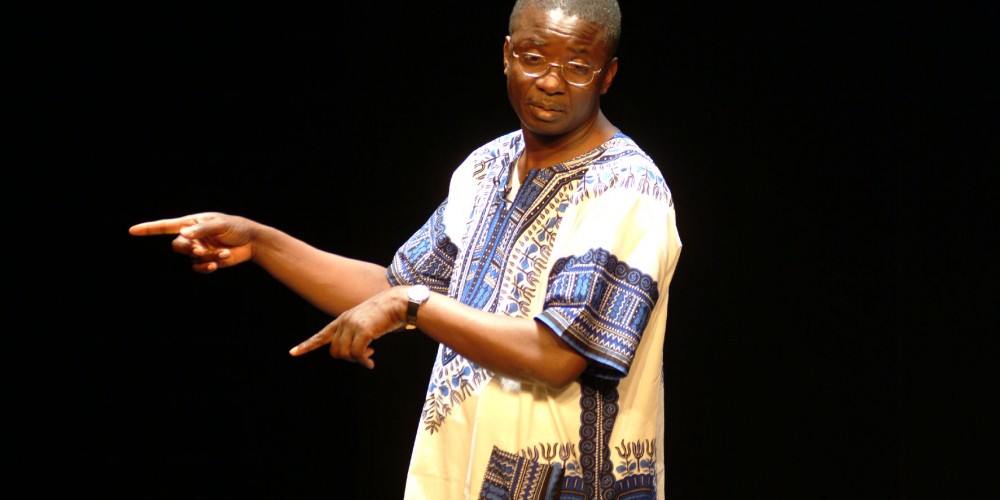
Pie Tshibanda
Date de Naissance: 1951
Lieu de Naissance: Kolwezi, Katanga, Congo Belge
Facebook | Site Officiel
Français, Tshiluba
La personne qui a uploadé ces vidéos ne les a pas découpées comme il faudrait. Ça m’a pris un certain temps pour les remettre dans l’ordre mais je pense que la chronologie est correcte.
1
2
3
4
5
6
7
8
9
10
11
12
Interview
1 – 1 = 0 umwe kumbusha umwe momumwe ne cijengu
2 – 1 = 1 ibidi kumbusha umwe momumwe ne umwe
3 – 1 = 2 isatu kumbusha umwe momumwe ne ibidi
3 – 2 = 1 isatu kumbusha ibidi momumwe ne umwe
4 – 2 = 2 inayi kumbusha ibidi momumwe ne ibidi
4 – 1 = 3 inayi kumbusha umwe momumwe ne isatu
5 – 1 = 4 itanu kumbusha umwe momumwe ne inayi
5 – 2 = 3 itanu kumbusha ibidi momumwe ne isatu

6 – 3 = 3 isambombo kumbusha isatu momumwe ne isatu
6 – 4 = 2 isambombo kumbusha inayi momumwe ne ibidi
7 – 1 = 6 mwandamuteketa kumbusha umwe momumue ne isambombo
7 – 5 = 2 mwandamuteketa kumbusha itanu momumue ne ibidi
8 – 1 = 7 mwandamukulu kumusha umwe momumue ne mwandamuteketa
8 – 3 = 5 mwandamukulu kumbusha isatu momumue ne itanu
9 – 1 = 8 citemba kumbusha umwe momumue ne mwandamukulu
9 – 6 = 3 citemba kumbusha isambombo momumue ne isatu
10 – 1 = 9 dikumi kumbusha umwe momumue ne citemba
10 – 4 = 6 dikumi kumbusha inayi momumue ne isambombo
10 – 10 = 0 dikumi kumbusha dikumi momumue ne cijengu
0 + 1 = 1 cijengu ne umwe momumwe ne umwe
2 + 3 = 5 ibidi ne isatu momumwe ne itanu
4 + 5 = 9 inayi ne itanu momumwe ne citemba
6 + 7 = 13 umwe ne mwandamuteketa momumwe ne itanu
8 + 9 = 17 mwandamukulu ne citema momumwe ne dikumi ne mwandamuteketa

10 + 11 = 21 dikumi ne dikumi ne umwe momumwe ne makumi abidi ne umwe
12 + 13 = 25 dikumi ne ibidi ne dikumi ne isatu momumwe ne makumi abidi ne itanu
14 + 15 = 29 dikumi ne inayi ne dikumi ne itanu momumwe ne makumi abidi ne citemba
16 + 17 = 33 dikumi ne isatu ne dikumi ne mwandamuteketa momunwe ne makumi asatu ne isatu
18 + 19 = 37 dikumi ne mwandamukulu ne dikumi ne citemba momumwe ne makumi asatu ne umwe
Ainsi de suite… And so on… Anu nanku…
Obviously, to name a fruit that is not originally found in Congo, most of the time people will use the name used in the country it comes from or make a ciluba version of the french term to call it. But still, here’s a few terms.
cimuma/bimuma
fruit(s)
didima/madima
agrume(s) (citron, orange, etc.)
citrus (lime, orange, etc.)
(cimuma cya) mpoma
pomme
apple
cibòta/dibòta
banane(s)
banana(s)
dikonda/makonda
banane (s) plantain
plantain(s)
mandelenyi
mandarine
kalebefu
coeur de boeuf
custard apple
cikuyi/makuyi
figue(s)
ndingaya/mangaya
mangue(s)
mango(es)
ditondu/matondu
amande(s)
almond(s)
lungaji/nngaji
noix de palme
palm nut(s)
kabindi/tubindi, kambela/tumbela
nois d’arachide, cacahuète(s)
peanut(s)
lunyimu/nnyimu
pistache(s)
pistachio(es)
mupese
noyau
pit
luteta/nteta
pépin(s)
pip(s)

lungaji lwa coco
noix de coco
coconut
lungaji lwa nsukadi
datte
date
mbòmà
pamplemousse
grapefruit
cipapaya/dipapaya
papaye(s)
papaya(s)
cikàkà/dikàkà
ananas
pineapple(s)
kamuma/tumuma
baie(s)
berry(s)
diwoji dya nsukadi/mawoji aa nsukadi
melon(s)
-pya(e)
mûr
ripe
-bishi
vert
raw
-sheme
sucré
sweet
– a bululu
amer
bitter
-sapuluke
fade
tasteless
-a bwanji
acide
tart
No, I’m not talking about school but grammar!!! Here we are going to tackle something essential to understand. A first classification of words has been done in the 19th century. The linguists classified words in main 8 categories but later on, the linguists became more precise and now the number of classes has doubled. Over the years, it came down to the following list. Those classes are important to know because they will determine how you form, not only the plural form of words, but the adjectives and adverbs as well.
| Classe | Type | Description | Examples |
| 1 | mu- | words defining people, gender, family members, trades, professions, etc. | mwana (child), muledi (parent), mukaji (woman), mulume (man), mulongeshi (teacher), mufudi (forgeron) |
| 2 | ba- | plural form of words from class 1 | muntu -> bantu (man, men); muledi -> baledi parent(s); mukaji -> bakaji: woman, women; mukalenge -> bakalenge: chief(s) |
| 3 | mu- | animals, inanimated objects, instruments, actions, consequences, body parts, products, etc. | mulangi (bottle), mucima (heart, liver, morals), mwendu (lamp) |
| 4 | mi- | plural form of words from class 3 | munu -> minu: finger(s); muci -> mici: tree(s); musulu -> misulu: river(s); musoko -> misoko: village(s) |
| 5 | di- | body parts going into pairs, liquids, feelings, various objects | dilongu, dici (ear), dikasa (foot) |
| 6 | ma- | plural form of words from class 5 & 14 | CLASS 5: diboku -> maboku: arm(s); ditama -> matama: cheek(s); dicuwa -> macuwa: rechaud(s)CLASS 14: bwalu -> malu: affairs, problems; buloba -> maloba: land(s); buta -> mata: bow(s); bukalu -> malalu: bed(s) |
| 7 | ci- | locations, inanimated agents, instruments, products, Surnames, feelings, vices, etc. | cilamba (bridge), cibota (banana), cikumbi (stable, fence) |
| 8 | bi- | plural form of words from class 7 | cilembi -> bilembi: hunter(s); cinji -> binji; anger(s); cisalu -> bisalu: market(s) |
| 9 | n-/m- | animals, | nzoolu (chicken), ngombe (cow), mbuji (goat) |
| 10 | n-/m- | plural form of words from class 9 & 11 | CLASS 9: nyoka -> nyoka: snake(s); mbuji -> mbuji: goat(s); mbwa -> mbwa: dog(s)CLASS 11: lusuki -> nsuki: hair(s); lupusu -> mpusu: spot(s); luzadi -> nzadi: nail(s) |
| 11 | lu- | lupangu (plot-land), ludimi (tongue), lukambu (powerful man) | |
| 12 | ka- | kashingi (needle), kapaaya (razor), kambela | |
| 13 | tu- / ka- | plural form of words from class 12 | tushingi, tupaaya, tumbela |
| 14 | bu- | concepts, abstract, nature, characteristics, instruments, locations, etc. | budimi (agriculture), bwatu (boat), bukondu |
| 15 | ku- | basic forms of verbs | kudya (to eat), kulaala (to sleep), kukwata (to work), kufwidikija (to think) |
| 16 | pa- | adverbs | pambelu (at home) |
| 17 | ku- | adverbs | kumbelu (from home), kunyima (in the back, behind, after) |
| 18 | mu- | adverbs | munjila (on the road, on the way) |
I must admit that it is difficult for me to remember what class a word belongs to so what I do is just remember how each word forms its plural. Why is it important to know word classes or at least have a rough idea of what it looks like? Because to build a correct sentence, you have to match the adjectives and determinants that follow a word according to its class.
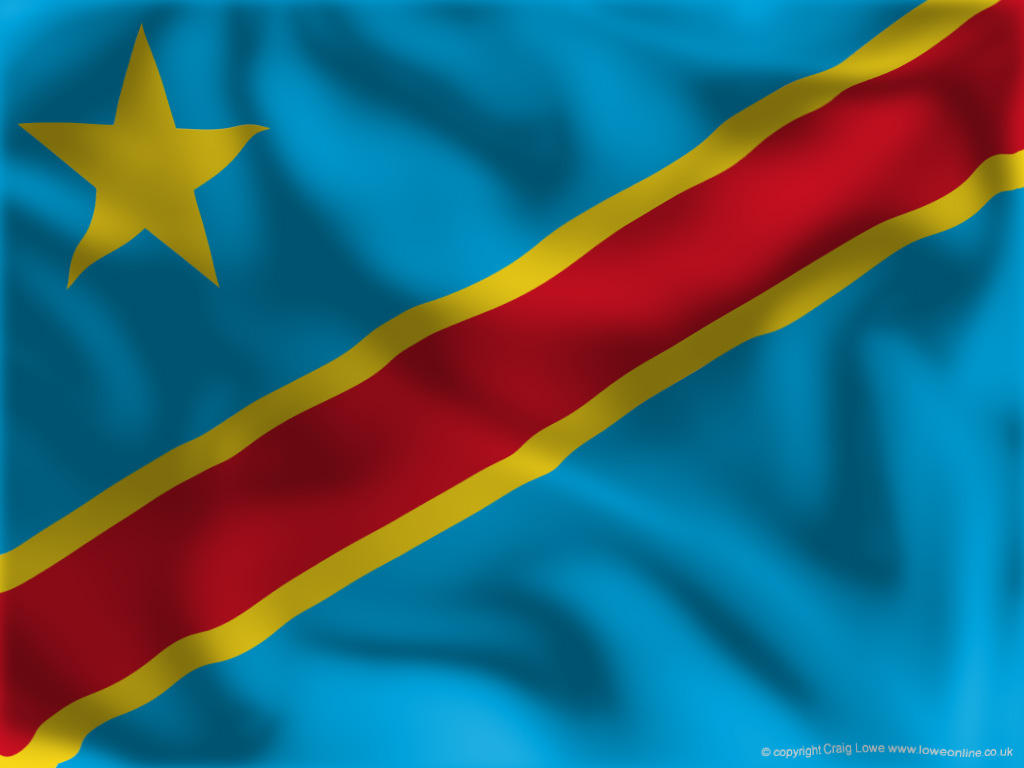
30 Juin 1960. 30 Juin 2013. 53 ans d’Indépendance. Bonne fête d’indépendance à tous les Congolais et à toute la diaspora congolaise répartie dans le monde entier, France, Belgique, Angleterre, Inde, Chine, Japon, USA, Allemagne, Russie, etc…
Happy Independance Day to all Congolese people around the world!
Title: Indépendance Cha Cha
Artist: African Jazz
Lyrics: Roger Izeidi
Year: 1960
Indépendance Cha-cha tozuwi ye! (Kikongo)
Oh Kimpwanza cha-cha tubakidi (Tshiluba)
Oh Table Ronde cha-cha ba gagner oh! (Lingala)
Oh Lipanda cha-cha tozuwi ye!
Independance Cha-cha to zuwi ye !
Oh Kimpwanza cha-cha tubakidi
Oh Table Ronde cha-cha ba gagner oh!
Oh Lipanda cha-cha tozuwi ye!
ASORECO na ABAKO
Bayokani Moto moko
Na CONAKAT na CARTEL
Balingani na FRONT COMMUN
Bolikango, Kasavubu
Mpe Lumumba na Kalonji
Bolya, Tshombe, Kamitatu
Oh Essandja, Mbuta Kanza.
Independance Cha-cha tozuwi ye!
Oh Kimpwanza cha-cha tubakidi
Oh Table Ronde cha-cha ba gagner oh!
Oh Lipanda cha-cha tozuwi ye!
Na MNC, na UGECO
ABAZI, na PDC
Na PCA, na African Jazz
na Table Ronde mpe ba gagner!
Independance Cha-cha tozuwi ye !
Oh Kimpwanza cha-cha tubakidi
Oh Table Ronde cha-cha ba gagner oh!
Oh Lipanda cha-cha tozuwi ye!
Translation
Independance (cha-cha) was declared
Freedom (cha-cha), we’ve conquered
At the Round Table****, they won
Oh Liberty (cha-cha) we’ve conquered!
ASORECO** and ABAKO**
United as one
CONAKAT** and CARTEL**
had joined the FRONT COMMUN**.
Bolikango*, Kasavubu*, Lumumba* and Kalonji*
Bolya*, Tshombe*, Kamitatu*
oh Essandja* and Elder Kanza*.
*Patrice Lumumba was the first prime minister of the independent Congo (assassinated in January 1961) and Joseph Kasavubu was the first President of the Congo. Jean Bolikango, Paul Bolya, Moïse Tshombe, Albert Kalonji, Cleophas Kamitatu, Essandja and Mbuta Daniel Kanza were leaders of political and/or separatist congolese movements.
**Congolese political parties
***African Jazz Band was commissioned to write this song. Joseph Kabasele aka Grand Kalle unite his own musicians of African Jazz (Roger Izeidi, Petit Pierre, Déchaud Mwamba, Dr Nico) and invite OK Jazz musicians (Vicky Longomba et Brazzos), the 2 most popular groups of the moment, to write this song. The song will be first sang on the official day of independence, June 30th, 1960.
****The Round Table took place in Brussels’ Hotel Plazza from January 20th to February 20th and from April 26th to May 26th of year 1960.
Vocabulary
budììkadidi: indépendance / independence
cisùmbu: parti / parti
cisùmbu cya cìdììdì: parti politique / political party
cisùmbu nkààyà: parti unique
musambu: chanson / song
mèèsà: table
mèèsà a cijèngù: table ronde / round table

 LUBANATION.COM