
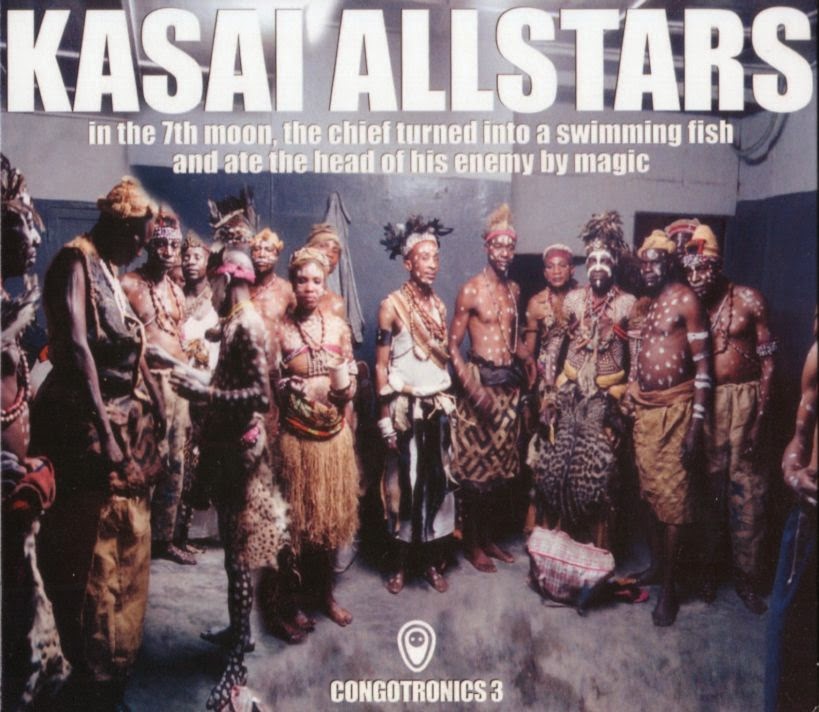
[Lyrics Translation] “Lekela Mwadi” by Tshala Muana
This song is probably my favorite song in this world. It is a mix of salsa and mutwashi, the traditional rhythm of Kasayi, Congo. As I explained in a previous post, this song is a good example of “lisanga” or dedications, ”shout outs”. All along the song, Tshala Muana lists several people’s names. I put those parts between parenthesis…
This transcript is here only thanks to my mum who spent some of her free time on this… If you use this translation, please mention this blog to encourage us translating even more songs… It will be appreciated!^^
N.B.: Apparently this song is known in Latin America as “Kabuya” by Africando. TOTALLY FALSE!!! Give back to the Queen what belongs to the Queen. Africando is a Senegalese salsa band who often invited Congolese artists on their albums such as Papa Wemba, Nyboma or Madilu System but, correct me if I’m wrong, as far as I know, they never invited Tshala Muana and I don’t think they speak Ciluba. However, ‘Lekela Mwadi’ was featured on Putumayo compilation entitled ‘Congo To Cuba’.
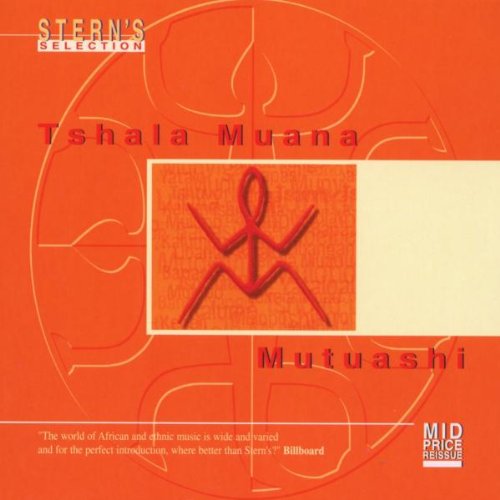
Title: Lekela Mwadi (Stop Crying)
Artist: Tshala Muana
Album: Mutuashi
Year: 1996
Label: Sterns
Wikala dikemena wa kwata kumu kusu
(Kabuya Pitch Lux Pitch Lualua Mama ya bongo)
Yelele yelele…
Nganji kubikila Maamù eh
Mamiani mwà Mbuya kasasu eh
Mambi wa Tumba ne Tshala eh
Mwâna mudikaya yampongo eh
Moyi munda nganyì wà ngakwile eh
Ngipata mukunda muya mukanka mwâna we lekela we
(Ya Esther Ngalula Kulola!)
Ya ye lele ya ye lele
Nganji kubikila Maamù eh
Mamyanyi mwa Mbuya kasasu eh
Mambi wa Tumba ne Tshala eh
Mwana mudikaya yampongo eh
Moyi munda nganyi wa ngakwile eh
Ngipata mukunda muya mukanka mwana we lekela we
Mwâna we lekela kudila mwadi e
Mwâna we lekela kudila mwadi e
Bakulumpa bakudima kwěpì ?
Bakudima kuyaya dîba
Kuyaya kumpengelela kwadi
Bilumbu ni bya salala bya ya
Ngondu wa kubanda mulundingu
Mukàjì mufwà bintu bibombe
(Maman Ndimi Ngoyi Maman Colonel)
Yaye lele yaye lele…
Ngimba ne Mulume Mutombo ee
Ngimba ne Ange Kayembe ee
Ngimba ne Ngalula Waba Milolo ee
Ngimba ne Yaya Sangye e
Ngimba ne Mputu wa ba Ntumba ee
Tangila Kabeya Ndombie
Twayi lona, lekelayi mwadi
Balongeshi bakalukanyia
Simon Kabila lekela we
Mwâna we lekela kudila mwadi ee
Mwâna we lekela kudila mwadi ee
Bakulumpa bakadima kwěpì
Bakadima kuyaya dîba
Kuyaya kumpengelela kwànyì
Bulumbu ni byà salala bya ya
Ngondu wa kubanda mulundingu
Mukàjì mufwa bintu bibombe
Twayi lona ee
(Byà kulwa disànka) Twayi lona we
(Byà kulwa disànka) Twayi lona ee
(Byà kulwa disànka) Twayi lona we
(Byà kulwa disànka) Maestro!
(Super Mwika Ya Marie eh Maman coup de foudre…)
(Byà kulwa disànka) Twayi lona ee
(Byà kulwa disànka) Twayi lona we
(Byà kulwa disànka) Twayi lona ee
(Byà kulwa disànka) Twayi lona we
(Byà kulwa disànka) Twayi lona ee
(Byà kulwa disànka) Twayi lona we
(Byà kulwa disànka) Twayi lona ee
(Byà kulwa disànka) Twayi lona we
Bya kulwa disànka x4
(Bya kulwa disànka) Twayi lona ee
(Bya kulwa disànka) Twayi lona we
(Bya kulwa disànka) Twayi lona ee
(Bya kulwa disànka) Twayi lona we …
TRANSLATION:
Wikala dikemena wa kwata kumu kusu
Si tu es une fourmi rouge, accroche-toi au chiffon
If you are a red ant, hang on to the cloth
Nganji kubikila mamu
Que j’appelle maman
May I call mommy
Mamiani mwà Mbuya kasasu
Mon homonyme, la maman de Mbuya
My homonym, the mother of Mbuya
Mambia wa Tumba na Tshala
La maman de Tumba et de Tshala
The mother of Tumba and Tshala
Mwana mudikaya ya mpongo
L’enfant sur l’épaule du grand frère
The child on his older brother’s shoulder
Moyi munda ngani wa ngakwile
Mon cœur s’attriste, que tu intercèdes pour moi
My heart saddens, please intercede for me
Wipata mukunda muya mukanka
Je lance un cri strident qui va et fait trembler
I cry out loud and that sound’s loud and make people shake
Mwana we lekela
Toi mon petit, arrête-toi
Please, kid, stop
Mwana we lekela kudila mwadi
Toi mon petit arrête de pleurer
You, kid, stop crying
Bakulumpa bakadima kwepi ?
Les ainées, où cultivaient-ils ?
The elders where did they cultivate?
Bakadima kuyaya diba
Ils cultivaient là où le soleil se couche
They cultivated where the sun sets
Kuyaya kumpengelela kwadi
Là où la perdrix va pour se cacher
Where the partridge goes into hiding
Bilumbu ni bia salala bia ya
Les problèmes s’aggravent et s’estompent d’eux-mêmes
Problems come and go on their own
Ngondu wa kubanda mulundingu
La lune monte dans le firmament
The moon is rising in the sky
Mukàjì mufwà bintu bibombe
Une mère qui meurt
A mother is dying
Bya kulwa disànka
Cela devient une grande joie
This becomes a great joy
Twayi lona
Dansons ensemble
Let’s danse together
Ngimba ne Mulume Mutombo
Je chante avec Mulume Mutombo
i sing with Mulume Mutombo
Tangila Kabeya Ndombie
Regarde Kabeya Ndombie
Look Kabeya Ndombie
Twayi lona, lekelayi mwadi
Dansez de joie, arrêtez donc de pleurer
Danse with joy, stop crying
Balongeshi bakalukanyia Simon Kabila lekelayi
Les professeurs du lycée Simon Kabila, arrêtez (de pleurer)
Teachers of Simon Kabila High School, please stop…
[Poem Translation] Makùmbù Matwa Cilubà Cyètù
Let me present you a beautiful poem, all written in Cilubà. This is a very good exemple of what we call Kasàlà. Lorraine Thompson requested a translation and I submitted it on Facebook so you may have already seen this text since some people copy-pasted without necessarily mentioning the source. Actually, my family put their brains together and came up with that translation… It’s not the work of one person, it’s team work and since we’re not linguists, there might be some imprecision in translation but that gives you a good idea. Always good to share… I invite you to check out this page for some clarifications about the names mentioned here. Feel free to add any comments or other ideas of translation.
Makùmbù Matwa Cilubà Cyètù
Eloges à la Langue Ciluba
Tribute to Ciluba Language
Cilubà ke wetù mwakulu,
Le Ciluba, c’est notre langue
Ciluba is our language
Cilubà wetù,
Notre Ciluba
Our language
Udi mwakulu wà Balubà basanga mu mena,
C’est la langue parlée par tous les clans Balubas
It’s the language spoken by all Balubas clans
Kutwàdija ku Nsaadi, kusabuka Lualaba,
Depuis la rivière Nsaadi, en traversant la rivière Lualaba
From river Nsaadi, crossing river Lualaba
Kueyeka ne ku Ntanganyika mule bidimba.
Jusqu’au lac Tanganyika, aux longs méandres
Up to Tanganyika Lake with its wide turns
Udi wa Balubà Shankadi bonso basanga ntanda
Tu es la langue des Balubas Shankadi, toutes contrées confondues
You are the language of Baluba Shankadi people, from all countries
Wêwe udi mwakulu wà Ilunga Mbidi Nkola wa ku dîba.
Toi, tu es la langue de Ilunga Mbidi Nkola wa ku diba (ndlr : Empereur du Soleil Levant au XIIe)
You are the language of Ilunga Mbidi wa ku Diba (Emperor in XII century)
Kamona bintu kabinyanga wà Ndaya.
Qui posséda tant de biens et les détruisit sans retenue, fils de Ndaya (Mère de Ilunga)
Who got so many goods and destroyed them all, son of Ndaya (Mother of Ilunga)
Cilubà wetù,
Notre Ciluba
Our Ciluba
Mbakwakula kudi Kasonga Bamulambula Nkumuimbua mwena lunsuya.
(On te parle grâce à Kasongo (fils de Ilunga, Empereur du Kasayi) à qui l’on paye l’impôt, l’on fait des éloges car il inspire l’autorité.)
Udi citebwa mukana, mukana mukudiile ke mukulumbulwile.
Tu as une renommée par la bouche, bouche qui te salit, bouche qui te défend
Everybody speaks about you, some in bad, some in good (literally: you are known from the mouth)
Badi bakwela mu tusàlà, bakwela mu byondo.
On t’utilise dans les poèmes, on t’utilise dans les médias
They use your name in poems, in the media
Bakusenga dyà mvità ne dyà malu matonda,
On te loue en temps de guerre et en temps de paix
You are praised in times of war and in times of peace
Cilubà, Cilubà, udi mwakulu wa bakalenga.
Ciluba, Ciluba, tu es la langue des seigneurs
Ciluba, Ciluba, you are the language of Lords

Cilubà wetù,
Se udi cìlùngà wa mbumbutayi, wa kudya matama kaasami.
Tu es comme la patate douce que l’on mangerait sans avoir mal aux machoires.
You are as soft as the sweet potato you eat without hurting your jaws
Bidimu nkama ne nkama binkumvwile bakwela muyenga,
Depuis des siècles et des siècles que je t’entends louée par des cris (ou youyous),
For centuries you’ve been praised with ululations
Udi wa bavwala nsòkà, beela luonji mu mpaya.
Tes propos provoquent la colère mais ne laissent pas indifférents.
Your words triggers anger but let no one indifferent
Badi kumona ewu bu ewu,
Pour préserver la paix entre les uns et les autres,
To preserve peace between one another
Mukua kanyenga muoyi, wa badi banyenga mwoyi bu cyamù.
Car celui qui te crève le cœur, c’est celui qui te reprend la confiance par la force.
For the one who hurts you is the one who takes away the trust
Cilubà wetù,
Nganyi udi mwa kumvua bakwela mu kasàlà,
Qui peut entendre comme on te loue
Who can hear how we praise you
Mubidi kawuyi umuvwayila,
Sans que son corps ne soit saisit
Without being moved
Bulobo bubanda, binsonji biengelela mu mêsu.
Sans que la force monte et que les larmes emplissent ses yeux
Without strength growing up or tears welling up
Cilubà,
Udi mwakulu wa bushùwà wa kutemba ku bantu,
C’est une langue vivante que l’on peut faire valoir aux yeux des gens
It’s a language we can promote to people
Mupite mfwekenke bushême,
Langue douce et magnifique
Sweet and magnificent language
Kadi ndekela nganji kukwimbaku leelù.
Laisse-moi te chanter aujourd’hui
Let me sing you today

Cilubà wetù,
Wêwe ke wanyì mwakulu, mwakulu wa ku dibèèla dindela,
Toi, tu es ma langue, ma langue maternelle
You are my language, my mother tongue
Mwakulu wa citèèlu cindaya, udi kupa butumbi kashidi,
Langue de renommée qui m’a été promise, tu me donnes beaucoup de fierté pour toujours,
Famous language who has been promised to me, you give me so much pride for ever
Wa kunaya nebe cyèndè ncibawu, cibawu acio cyà diditatakaja.
Celui qui te négligera payera une amende, une grosse amende
The one who will neglect you will pay the price, a significant price
Nemekayi wènù mwakulu, nuwakule ne kèènù kalolo,
Respectez votre langue, parlez-la avec fierté,
Respect your language, speak it with pride
Nudianyishe nawu mu yenu midimu.
Utilisez-la avec fierté dans toutes vos activités
Use it with pride in all your activities
Mukole pa kuwumanya, lekelayi kuwukonyangaja
Difficile à apprivoiser, cessez de la dévaloriser par des interprétations erronées
Difficult to master, stop depreciating it with mistaken interpretations
Ne myaku ya cisombasomba, idi kuteleja kayijikuluku.
Avec des mots empruntés à d’autres langues, elle devient incompréhensible.
With words from other languages it becomes incomprehensible
Tusanke tudi anyishe, tutumbishe Mufuki,
Soyons heureux, soyons fiers, louons le Créateur,
Let’s be happy, let’s be proud, let’s praise our Lord
Bwalu utupeele wetù mwakulu,
Car il nous a fait don de notre langue
Because he gave us our language
Tuwakule bwà utante mu yètù ndelu
Parlons-la pour qu’elle prospère et évolue vers les générations futures
Let’s speak it so it prosper and evolve with future generations
Kashidi ne kashidi kawujiminyi,
Qu’elle ne s’éteigne pas, pour des siècles et des siècles.
May it not vanish or centuries
Cilubà wetù,
Udi ne myaku bungi kabuyi kubala,
Tu as un vocabulaire riche et dense
You have a rich and dense vocabulary
Miaku bungi bu ntundu ne ngenene,
Riche comme la fourmilière de fourmis et la termitière de termites
Rich like anthill and termite mound
Wêwe kwena ukengela mikwabo myakulu,
Toi, tu n’as pas besoin d’emprunter à d’autres langues
You, you don’t need to borrow from other languages
Bwa wêwe kumvwija ngenyi mivule ya mamanya.
Pour faire comprendre ton intelligence et transmettre tes connaissances
To make people grasp your intelligence and pass on your knowledge
Bushuwa, mbilenga kulonga mikwabo kumanya,
En vérité, il est bon de t’apprendre
Really, it’s good to learn you
Bwa kubala mikanda kwanuna.
Pour lire les livres, analyser
To read books and analyze
Kumvwangana ne bukwa bisamba kalolu,
Pour s’entendre avec d’autres nations
To get on with other nations
Bwa kuyisha bungenda kumpala ne bumunyi,
Pour développer commerce et élevage
To develop trade and breeding
Mu bubanji bwa Ditunga kashidi.
Dans la prosperité du pays pour toujours.
In the country’s prosperity forever
Kadi ncipepeji wanyì mwakulu,
Que je ne dévalorise ma langue
May I not depreciate my language
Ncipu mwoyo se: nansha ngamanya ya ku matunga a kule,
Même si je connais les langues des pays lointains, je ne dois pas t’oublier
Even if I know languages from faraway countries, I must not forget you
Kwa ba kanyunyi kaya kashikila.
Comme l’oiseau qui s’envole et s’arrête parce qu’il a atteint ses limites.
Like a bird flying away and stopping because it reached its limits
Nansha umwe wa kudiyo kawadiakuenza wanyì mwakulu.
Aucun autre mot ne peut transformer ma langue
No other word can transorm my language
Kadi Cilubà nguanyi mwakulu,
Car le Ciluba c’est ma langue
Because Ciluba is my language
Wa bumpianyi lapalapa,
Héritage pour l’éternité
Everlasting inheritance
Munshila kudi bankambwa ne baledi.
Léguée par nos ancêtres et nos parents
Passed on by our ancestors and parents
Cilubà wetù,
Songaku nkele kashidi, bakutwe makumbu a kalolo,
Aiguise ton couteau pour toujours, que tu sois encensée
Sharpen your knife for ever, may you be praised
Kudi bana, kudi bakulumpe ne kudi banunu,
Par les enfants, les adultes et les anciens
By the children, the adults and the elders
Mu bicya byonso ne bidimu.
Depuis les années et siècles passés
Since years and centuries past
Bwalu udi mwakulu wa dikema,
Parce que tu es une langue extraordinaire
Because you are an extraordinary language
Mwakula kudi bankambwa mu musebu.
Parlée depuis la lignée de nos ancêtres
Spoken since our ancestors have been
Bakula babila Cyamakanda Mulopò Maweja’a Nangila.
Ils parlent et invoquent la puissance de notre Seigneur, Dieu bien-aimé
they speak and invoke the power of our Lord, our beloved God
Kapongo Mwena bantu, ufukile bibishi ne byosha,
Protecteur de tous les hommes, il créa la faune et la flore
Protector of all men, he created wild fauna and flora
Utupeele byonso bidi panwapa.
Il nous fit don de tout ce qui existe ici-bas
He gave us everything here on earth
Cilubà wetù ngamanyi kukusenga,
Notre Ciluba, je t’ai suffisamment loué
Our Ciluba, I praised you enough
Tantaku, uye kulekule.
Enrichis-toi et va de l’avant
Enrich yourself and go ahead
Wanyì mwakulu tumbaku kashidi.
Que ma langue soit glorifiée à tout jamais
May my language be glorified until for ever
Mulopò wetù twasakidila, bwalu utupeele wetù mwakulu.
Oh Seigneur, merci pour la langue que tu nous a donnée
Oh Lord, thank You for the language you gave us
Bifunda kudi Ezéchiel Ciswaka Bumanakudya,
Écrit par Ezechiel Cisuaka Bumanakudia (le bien-aimé qui a fini de manger)
Written by Ezechiel Cisuaka Bumanakudia (beloved one who finished eating)
Musosondi wa ku bena Kalenda, mu Dinsanga
Le puceau du village de Kalenda, au croisement des rues principales
The virgin from Kalenda, at the main crossroads
[Bwakulu] Most untranslatable word in Ciluba language
Ilunga has been defined by high class top notch translators and linguists around the world to be one of the most, if not the most, untranslatable word in the universe.
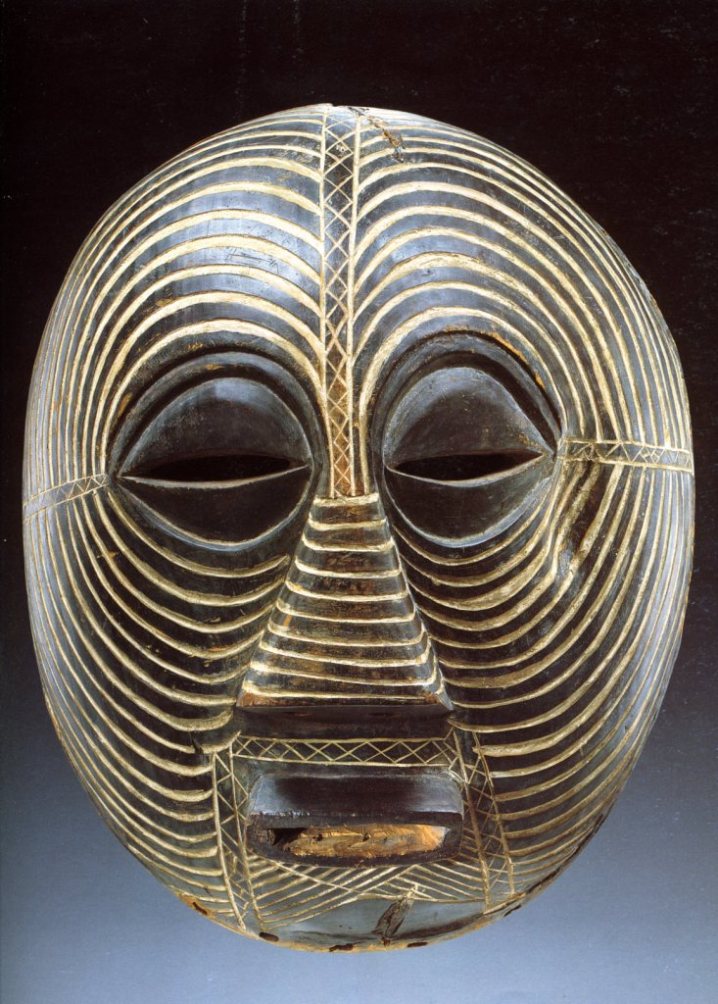
It is used to describe the nature of a person “who is ready to forgive and forget any first abuse, tolerate it the second time but never forgive nor tolerate on the third offense.”
Yeah, quite impossible to translate in one word!!!
[Vocabulary] Kulela/Couleurs/Colors
In Ciluba, like in many other languages, people refer to a common object to define a color, for example:
-a mayi aa mamvwa
couleur maïs / color of corn => jaune/yellow
-a mayi aa kamata
couleur tomate/ tomato color => rouge/red
-a mayi aa matàmbà/kaleji
couleur feuille de manioc / cassava leave color => vert/green

But there are standard color names as well:
Cibundubundu
Gris Cendre / Ash grey
Kaki
Marron / Brown
Kàlaabi
Jaune / Yellow
Lubundubundu
Violet / Purple
Lumbidi
Orange
Mbùlê
Bleu / Blue
Mufika
Noir / Black
Mukùnze
Rouge / Red
Mutòòka
Blanc / White
To associate those colors with names, you have two options, according to the adjective you want to use:
- you drop the prefix mu- and put instead the corresponding prefix, depending on the class the name is part of.
- you add the particle -a + color
-fiike(a) = noir/black
-kùnze = rouge/red
-tòòke(a) = blanc/white
-a bùlê = bleu/blue
-a kàlaabi = jaune/yellow
-a lumbidi = orange
-a lubundubundu = violet/purple
example: ditumbu difiike
un chapeau noir/ a black hat
Biensûr, il existe des nuances:
-kùnze = rouge/red -kùnzùbìle = rougeâtre / redish
-tòòke = blanc; -tòòkòlòke = blanchâtre
Congolese artists to support the cause of raped women in eastern DRC…
very few projects are seen to sensibilize population to problems arising in Congo. i have to salute them. who can live a valorizing and happy life when their sisters, their mothers, their daughters are raped everyday? attacking the congolese woman is attacking the foundation of the Congolese Nation…
[Conjugation] Present Tense II
Here’s a new selection of verbs conjugated at the present tense
| Kupèèsha donner/to give |
Kwangata prendre/to take |
Kwenza faire/to make |
Kufwà mourir/to die |
ndi pèèsha
|
ndi ngangata
|
ndi ngenza
|
ndi nfwà
|

[Conversation] More Sample Sentences (1)
here’s a few random sentences:
Bikila sheebe! / appelle ton père! / call your father!
Lwa kunoko! / viens ici! / come here!
Ndi muswe kuya ku Paris / je veux aller à Paris / i want to go to Paris
Tuye lubilu / allons vite / let’s go quickly
Tuye biteketa / allons doucement / let’s go slowly
Wakuya / il (elle) est parti / he (she) left
Ndi mubi / je me sens mal / i am not well
Kolesha mwoyi! courage!
Mbeela ngonga / on sonne (à la porte) / the doorbell is ringing
Nganyi wetu ? / qui est-ce ? / who is this ?
Nweenu banganyi ? / qui êtes-vous? / who are you ? (plural)
Mike udiku anyi ? / Mike est-il là ? / is Mike there ?
To. Mmupatuka. / non. il est sorti / no. he’s out.
Tuyaayi ku mesa / à table / let’s eat!
Kazala aaku / bon appétit
[Conversation] Human Body – sample sentences
Ndi ne mutu
J’ai mal à la tête
I’m having a headache
Badi bapunga mushiku
Ils se mettent d’accord
They find an agreement
Udi unkwela nnyima
Il m’a tourné le dos
He turned his back on me
Mpesha diboku
Donne-moi la main
Give me your hand
Mucima ukuma bikole be
Mon coeur bat très fort
My heart is beating hard
Kakwanyi utu anu ukuma dikasa mpadii uja maja
Mon grand-père frappe toujours du pied quand il danse
My grand-father is always stomping his foot while dancing
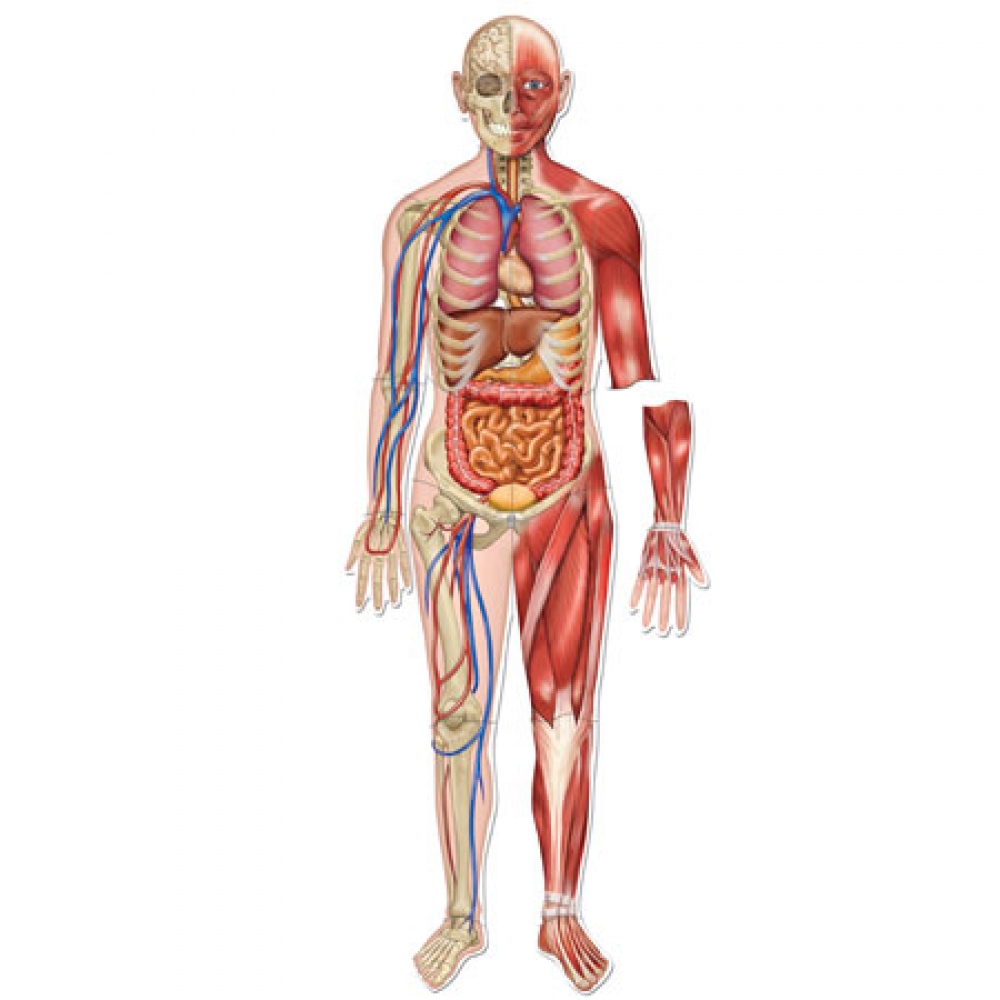
[Vocabulary] Mubidi / Human Body / Le Corps Humain
| mutu / mutu tête / headlusuki / nsuki cheveux / hair mpala / mpala disu / mesu dikiki / makiki mukana mushiku / mishiku dinu / menu ludimi / ndimi ditama / matama lubanga dici / maci muminu nshingu dikoshi |
cyadi / byadi buste/chestdibeela / mabeela poitrine/breast difu mofu nnyima cimono diboku / maboku cyanza / byanza munu / minu luzadi / nzadi ditaku / mataku mukolu cinu / binu dikasa / makasa dikoba |
[Conversation] Time – Sample Sentences
Tudi diba kayi?
Quelle heure est-il ?
What time is it?
Tudi diba umwe
Il est 1 heure.
It’s 1 o’clock.
Tudi mundankulu
Il est minuit.
It’s midnight.
Tudi dya ibidi ne tusunsa dikumi
Il est 2h10
It’s 10 past 2.
Diba dya kuya dya kumbanyi
Il est temps de partir
It’s time to leave

Diba dya kudya dyakumbanyi
Il est temps de manger
It’s time to eat
Leelu tudi wa manga ?
Quelle est la date aujourd’hui?
What is the day today?
Dibidi dya ngondu mwibidi
Le 2 février
February 2nd
Kudi mafuku abidi
Il y a 2 jours
Two days ago
Note that to express time in Ciluba we use the first person of plural form so that “it is 1pm” is actually literally translated into “we are 1pm”…
[Vocabulary] Time / Diba / Temps
Here’s a vocabulary list with words related to time. click on the link at the bottom to find a few sample sentences.
| dîba temps / timecidimu année/ year ngondu, mwenji ditùku / matùku dîba kasunsa cidimu luuyà mashika makole muvwa wa mvùla muvwa wa mashìka |
mààlabà, makèèlèlà mushààla hier/yesterdayleelù aujoud’hui / today mààlabà, makèèlèlà dìndà mundaamuunyà dilòòlù bufùku mpindyewu pashììsha diba dyônso |
| Cyongu (wa minanga)* janvier / januaryLwîshi* février / february Lwabanya (nkasu)* Cisanga (nkasu)* Lumùngùlù* Kabalanshipu* Kashipu (nkenza)* Cimungù (wa mashika)* Kabitenda* Kaswamansensa* Kaswàbàngà* Ciswà munèna* |
lumingu semaine / weekdiimwe lundi / monday diibidi diisatu diinayi diitanu diisambombu dyalumingu ndekelu wa lumingu |
*Baluba people traditionally call months by the event happening during the moon. for example Ciswa Munene, December, is the month where the big winged ants are out.
[Lyrics Translation] “Bwalu Bwà Lesa” by Joël Mbuyi
This song is actually a variation of David Psalm #150. The rhythm of this song is traditional music from Kasayi. It’s called Mutwashi. Enjoy!
Artist: Joël Mbuyi
Title: Bwalu bwà Lesa
Album: Just One WOrd
Year: 2005
(Itaba Yezù kayi wende nende bitekète bitekète
Ambula Yezù kayi wenda nende konso kuwaya) Album version
Verse 1:
Diba diakani diakukwela muyenga Tatu Nzambi
(Mulopò Maweja Nangila)
Butumbi mbueba Nzambi wa kwimbila Yepowa
(Mulopò Maweja Nangila)
Mwena djulu wewe, muena Bantu wewe
Mwena bintu wewe Yepowa
(Mulopò Maweja Nangila)
x2
Tshanga we yoyo
Tutwayi tshanga cya Mulopo lesa x2
Tudi twimba bualu bwa Yezù
Bualu yeye udi Mulopo.
Verse 2:
Nzambi wa kwetu kutuyaya
Wa kuimbila ngoma ne biondo
Cikunku nsanga bilembi
Wa sanga batoke ne bafike
Kumatunga a bende Yepowa wanyi
Kuangani kunga kunaya…
Chorus x2:
Lesa yo
Mwena bwalu butwimbila wewe
Tuluka wenda Madiunda e
Mukatshi mwa bana beba
Tumone bukenke ne bukole bweba
bwalu bwana bwa shiya kubutu bwaswa Dilolo e
Lesa yo Mukalenga atumbe x4
Verse 3:
Mwanza nkongolo wa kumayi
Mpokolo wa mayi matoke
Biwanua wakaja moyo
Nzambi wa balume ba mpolondo
Badi balaka mayi bu mbwa
Kwanganyi kunga kunaya
wewe Nzambi wa Isalela…
Chorus x2
Lesa yo mukalenga atumbe x4
kwata maja…
Lesa yo mukalenga atumbe…
Tshanga we yoyo
Tutwayi tshanga tsha Mulopo lesa
Tudi twimba bualu bua Yesu
Bualu yeye udi Mulopo.

TRANSLATION
Verset 1
Croyez en Jésus et soyez avec Lui en toute confiance,
Portez le Seigneur dans votre cœur partout où vous irez.
Il est temps de Te glorifier, oh ! Toi Dieu le Père.
Oh Dieu Tout Puissant et d’amour,
Créateur du ciel et de la vie humaine,
Et toute chose.
Soyez loué, oh ! Eternel Dieu d’amour. (x2)
Dansons, dansons.
Dansons pour l’Eternel Notre Dieu.
Chantons pour Notre Seigneur Jésus-Christ,
Car Il est l’Eternel Notre Dieu.
Verset 2
C’est le Dieu vers qui nous cheminons
Jouons pour Lui tambours et xylophones
Protecteur des hommes courageux
Consolateur des Blancs et des Noirs
Et ce, jusqu’en terre étrangère.
Oh ! Mon Dieu, où irais-je encore si ce n’est chez Toi ?
Oh ! Mon Dieu !
Montre Ta puissance
Au sein de Ton peuple
Que Ta lumière et Ta force
Vivifient tes enfants perdus (x2)
Que Dieu Notre Seigneur soit loué (x4)
Verset 3
L’arc-en-ciel, source d’eau vive qui vivifie
Oasis, source d’eau vive
Quand tu la bois, elle apaise ton âme
Protecteur des hommes courageux
Ceux qui lapèrent l’eau comme les chiens
Où irais-je encore mon Dieu
Que vers Toi, Dieu d’Israël.
[Conjugation] Present Tense I
In this post, we’re gonna see how to conjugate in Ciluba. I chose here a few common verbs.
| Kwikala être/to be |
Kunwà boire/to drink |
Kudyà manger/to eat |
Kulààla dormir/to sleep |
ndi
|
ndi nwà
|
ndi ndyà
|
ndi ndààla
|
I am not gonna show the verb “to have” as it is the same as “to be”. In Ciluba, “to have” is translated as “to be with”, therefore, all you have to do is add the preposition “with” or “nè” in Ciluba to transform “to be”, kwikala, into “to have”, kwikala ne.
Mema ndi mukaji: I am a woman
Ndi nè mukanda: I have a book
Ndi nè mutu: I have a headache

As a general rule, when you have the infinitive form of a verb, for examples kudyà, kunwà, all you have to do to conjugate it is to drop the infinitive prefix ku- and keep the verb stem -dyà, -nwà, then add the personal pronoun according to want you want to say:
n- => ndi = I (am)
u- => udi = you (are)
u- => ùdi = she/he (is)
tu- => tudi = we (are)
nu- => nudi = you (are)
ba- => badi = they (are)
Of course, it wouldn’t be fun if there wasn’t any exceptions. Kwikala is one (it is a special verb that is also used as auxiliary and its conjugated form is also used as personal pronouns). We’ll check them out as we go. Note that in the dictionaries you will often find the verb stem as the entry. It makes sense, I believe, otherwise there would be thousands of words under “ku-” and nothing in the other sections… 🙂
N.B.: verbs of which stem starts with L transform NL into ND at the first person of singular, to ease pronunciation.
-lààla -> ndi ndààla -> I sleep
-lela -> ndi ndela -> I give birth
-lekela -> ndi ndekela -> I leave
Post a comment if you have any question…
[Conversation] Numbers – Sample Sentences
Here’s a few sample sentences to show how numbers can be used in Ciluba. As I explained in the “Let’s count!” lesson, numbers from 1 to 6, used as numeral, go accordingly with the noun they follow. as such, they reflect the class the noun belongs to. you will see that modification in color in the sentences.
Ndi ne bidimu makumi abidi ne bitanu
J’ai 25 ans
I’m 25 years old
Udi muntumine mifuku ibidi ya tshombe
Il m’a envoyé 2 sacs de manioc
He sent me 2 bags of manioc (cassava)
Udi mumpesha nigensu inayi ya losa
Il m’a donné 4 casseroles de riz
He gave me 4 saucepans of rice

Kabeya mu mpanisha twela tusambombu
Kabeya m’a vendu 6 couteaux
Kabeya sold me 6 knives
Ndi musumba bibota bibidi ne dinga ya dimue
J’ai acheté 3 bananes et 1 mangue
I bought 3 bananas and 1 mango
Kwata bisaku bibidi bibidi
Prends 2 paniers à la fois
Take 2 baskets at a time
Muntu udi ne maboku abidi ne mikolu ibidi
L’être humain a 2 bras et 2 jambes
Human beings have 2 arms and 2 legs
Bantu ku bungi buabo badi nkama mwanda muteketa makumi asambombo ne umwe
Il y a, au total, 761 personnes
There are 761 people, overall
[Vocabulary] Tubalayi! / Let’s count! / Comptons!
| 0 | cijèngù |
| 1 | ùmwà |
| 2 | ibìdì |
| 3 | isàtù |
| 4 | inaayi |
| 5 | itaanu |
| 6 | isambòmbò |
| 7 | mwandamutekèta |
| 8 | mwandamukùlù |
| 9 | citemba |
| 10 | diikùmi |
| 11 | diikùmi nè ùmwà |
| 12 | diikùmi nè ìbìdì |
| 20 | makùmi àbìdì |
| 22 | makùmi àbìdì nè ìbìdì |
| 30 | makùmi àsàtù |
| 33 | makumi asatu nè isatu |
| 40 | makùmi ànaayi |
| 44 | makùmi ànaayi nè inayi |
| 50 | makumi atanu |
| 55 | makumi atanu nè itanu |
| 60 | makùmi àsambòmbò |
| 66 | makumi asambombu nè isambombu |
| 70 | makumi mwanda muteketa |
| 77 | makumi mwanda muteketa nè mwanda muteketa |
| 80 | makumi mwanda mukulu |
| 88 | makumi mwanda mukulu nè mwanda mukulu |
| 90 | makumi citemba |
| 99 | makumi citemba nè citemba |
| 100 | lukama |
| 101 | lukama nè umwà |
| 143 | lukama nè makumi anayi nè isatu |
| 200 | nkama ibidi |
| 201 | nkama ibidi nè umwà |
| 500 | nkama itanu |
| 1.000 | cinunu |
| 1.001 | cinunu nè umwà |
| 1.010 | cinunu nè dikumi |
| 1.111 | cinunu nè lukama nè dikumi nè umwe |
| 2.345 | binunu bibidi nkama isatu makumi inayi nè itanu |
| 10.000 | binunu dikumi |
| 20.000 | binunu makumi abidi |
| 54.321 | binunu makumi atanu ne inayi nkama isatu makumi ibidi ne umwe |
| 99.999 | binunu makumi citemba ne citemba nkama citemba makumi citemba ne citemba |
| 100.000 | cishikula |
| 1.000.000 | mbombu (umwà) |
| 2.000.000 | mbombu ibidi |
| 10.000.000 | mbombu dikumi |
| 100.000.000 | mbombu lukama |
| 1.000.000.000 | citotu (cimwà) |

Note the forms mentioned there for numbers from 1 to 6, are the actual numbers, used as cardinal numeral pronouns or more commonly, nouns but used in a sentence as adverbs or adjectives, they will be modified accordingly to the nouns they follow…
ditala dimwe |
un épi de maïs | one corn cob |
bintu bibidi |
deux choses | two things |
bilamba bisatu |
trois habits | three clothes |
mikanda inayi |
quatre livres | four books |
mata atanu
|
cinq arcs | five bows |
tusuyu tusambombo |
six haches | six axes |
[Bwakulu] Alphabet – 17 consonants – 10 vowels & 2 semi-vowels
In 1974, the First Seminar of Linguists of Zaire has determined the alphabet as we know it nowadays. Before that, there were as many ways to write Ciluba as there were linguists, even if each system was very similar to the other. Normally, I should use the accents too but that would make it more complicated. Let’s keep it simple for now !!!
| Ciluba | French | English | |
| a (court) | dikasa | pied | foot |
| aa (long) | citaala | coq | rooster |
| b | lubese | hanche | hip |
| c (say “tsh”) | cibasu | planche | board |
| d | dibaka | marriage | wedding |
| e (short) | cikela | poisson | fish |
| ee (long) | muteelu | chemise | shirt |
| f | nkofi | cil | eyelash |
| g | mufungu | muscle | muscle |
| i (short) | diyi | oeuf | egg |
| ii (long) | diitaba | croyance | belief |
| j | kuja | danser | to dance |
| k | nkuvu | tortue | turtle |
| l | lushiku | fin | end |
| m | mwedi | barbe | beard |
| n | nkala | crabe | crab |
| ng | ngonga | cloche, sonnette | bell |
| o (short) | dikopu | tasse | cup |
| oo (long) | mukooku | mouton | sheep |
| p | mupanu | pantalon | pants |
| s | lusembo | grenouille | frog |
| sh | kushalala | démanger | to itch |
| t | twishi | microbes | germs |
| u (court) | munu | doigt | finger |
| uu (long) | kutuuta | frapper | to hit |
| v | mvula | pluie | rain |
| w (semi-vowel) | mbwa | chien | dog |
| y (semi-vowel) | kweyela | respirer | to breathe |
| z | cyanza | main | hand |
Combined vowels don’t exist in Ciluba compared to French “ai” (a + i) or “ou” (o + u). Thus, you pronounce each letter as you read and see it. No tricks! Also, q, r and x are only used when using words borrowed from other languages. Ciluba also includes some sounds specific to the language such as nasalizations and aspired letters. We’ll check those out as we go.
 LUBANATION.COM