[Conjugation] Futur Tense I

In this lesson, we will study future tense. For that, we’ll use some verbs that we’ve seen before:

Kwikale
être/to be
Kunwà
boire/to drink
Kudyà
manger/to eat
Kulààla
dormir/to sleep
nengikale
je serai
I will eat
newikale
tu seras
you will be
neìkale
il/elle/on sera
she/he will be
netwikale
nous serons
We will be
nenwikale
vous serez
you will be
nebikale
ils/elles seront
they will be
nenwè
je boirai
I will drink
newunwè
tu boiras
you will drink
neànwè
il/elle/on boira
she/he will drink
netunwè
nous boirons
we will drink
nenunwè
vous boirez
you will drink
nebanwè
ils/elles boiront
they will drink
nendyè
je mangerai
I will eat
newudyè
tu mangeras
you will eat
neàdyè
il/elle/on mangera
She/he will eat
netudyè
nous mangerons
nous will eat
nenudyè
vous mangerez
you will eat
nebadyè
ils/elles mangeront
they will eat
nendalè
je dormirai
I will sleep
newulalè
tu dormiras
you will sleep
neàlalè
il/elle/on dormira
She/he will sleep
netulalè
nous dormirons
we will sleep
nenulalè
vous dormirez
you will sleep
nebalalè
ils/elles dormiront
they will sleep
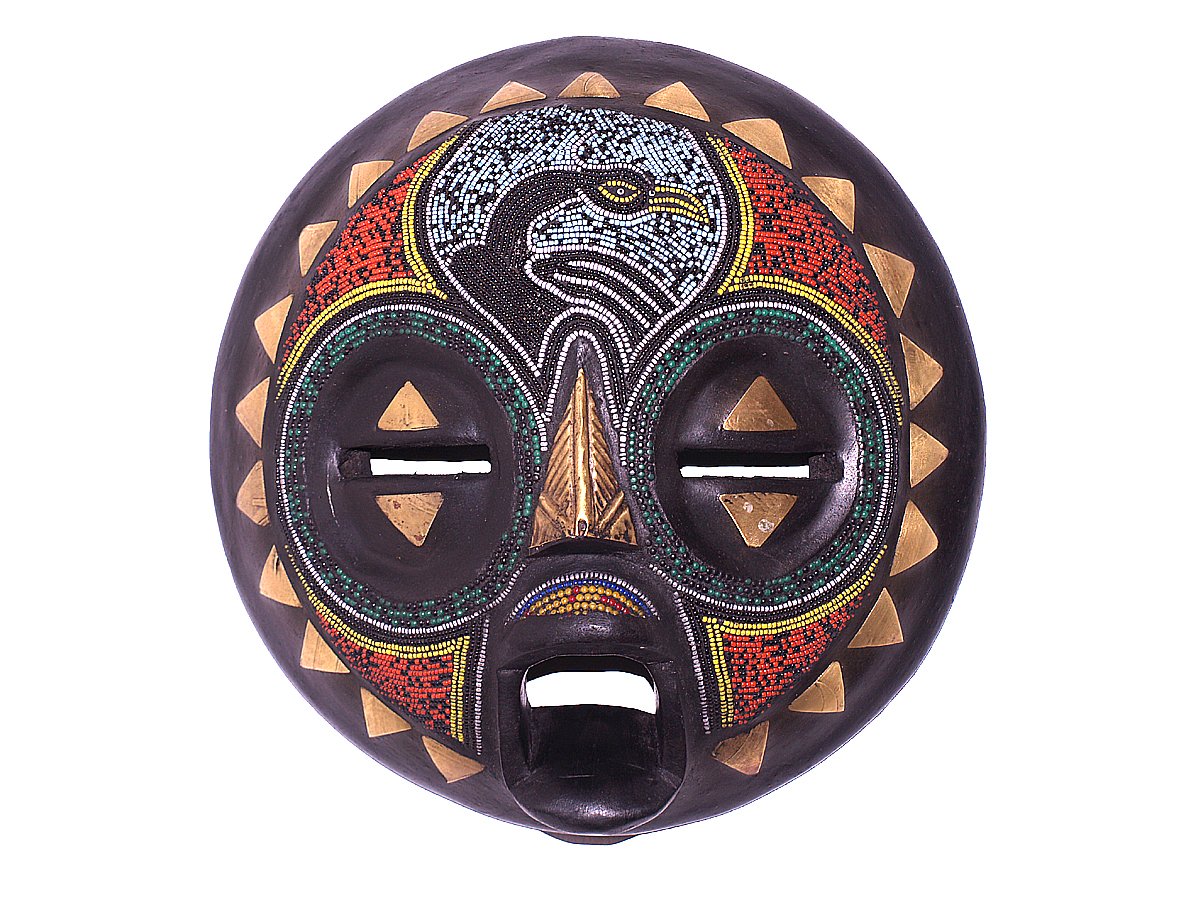
Masque Luba Cifwebe
Masque Luba Cifwebe

See how the verb is built:

KU – IKALE = kwikale

‘KU’ marks the infinitive form of the verb and ‘IKALE’ is the verb stem. When you contract them, the ‘u’ transform into ‘w’.

* NE + NG + IKALE = nengikale

NE marks the future tense of the verb, ‘NG’ is the 1st person pronoun and ‘IKALE’ is the verb stem

It is the same process for the rest

* NE + WU + IKALE = newikale

The ‘u’ in ‘wu’ is dropped because of the contraction.

* NE + À = IKALE = neìkale

Same contraction here but we keep the accent that marks the 3rd person of singular.

* NE + TU + IKALE = netwikale

* NE + NU + IKALE = nenwikale

* NE + BA + IKALE = nebikale

You note in red the pronouns from 1st person of singular to 3rd person of plural that we saw in previous lessons:

ng, wu, ù/à, tu, nu, ba (‘ng’ is another form for ‘nyi’ or ‘n’ that marks the first person of singular).

See, if you understand how the verb is constructed you can easily find and/or remember a specific conjugation. Try to find the construction of the other verbs on your own. You’ll see how easy it is.

Part II | Part III

[Conjugation] Present Tense I

In this post, we’re gonna see how to conjugate in Ciluba. I chose here a few common verbs.

Kwikala
être/to be
Kunwà
boire/to drink
Kudyà
manger/to eat
Kulààla
dormir/to sleep
ndi
je suis
udi
tu es
ùdi
il/elle/on est
kudi
nous sommes
nudi
vous êtes
badi
ils/elles sont
ndi nwà
je bois
udi unwà
tu bois
ùdi unwà
il/elle/on boit
tudi tunwà
nous buvons
nudi nunwà
vous buvez
badi badwà
ils/elles boivent
ndi ndyà
je mange
udi udyà
tu manges
ùdi udyà
il/elle/on mange
tudi tudyà
nous mangeons
nudi nudyà
vous mangez
badi badyà
ils/elles mangent
ndi ndààla
je dors
udi ulààla
tu dors
ùdi ulààla
il/elle/on dort
tudi tulààla
nous dormons
nudi nulààla
vous dormez
badi balààla
ils/elles dorment

I am not gonna show the verb “to have” as it is the same as “to be”. In Ciluba, “to have” is translated as “to be with”, therefore, all you have to do is add the preposition “with”  or “nè” in Ciluba to transform “to be”, kwikala, into “to have”, kwikala ne.

Mema ndi mukaji: I am a woman
Ndi nè mukanda: I have a book
Ndi nè mutu: I have a headache

Power Figure Luba
Power Figure Luba

As a general rule, when you have the infinitive form of a verb, for examples kudyà, kunwà, all you have to do to conjugate it is to drop the infinitive prefix ku- and keep the verb stem -dyà, -nwà, then add the personal pronoun according to want you want to say:

n- => ndi = I (am)
u- => udi = you (are)
u- => ùdi = she/he (is)
tu- => tudi = we (are)
nu- => nudi = you (are)
ba- => badi = they (are)

Of course, it wouldn’t be fun if there wasn’t any exceptions. Kwikala is one (it is a special verb that is also used as auxiliary and its conjugated form is also used as personal pronouns). We’ll check them out as we go. Note that in the dictionaries you will often find the verb stem as the entry. It makes sense, I believe, otherwise there would be thousands of words under “ku-” and nothing in the other sections… 🙂

N.B.: verbs of which stem starts with L transform NL into ND at the first person of singular, to ease pronunciation.

-lààla -> ndi ndààla -> I sleep
-lela -> ndi ndela -> I give birth
-lekela -> ndi ndekela -> I leave

Check out the second part

Post a comment if you have any question…

Part II | Part III